- Get link
- X
- Other Apps
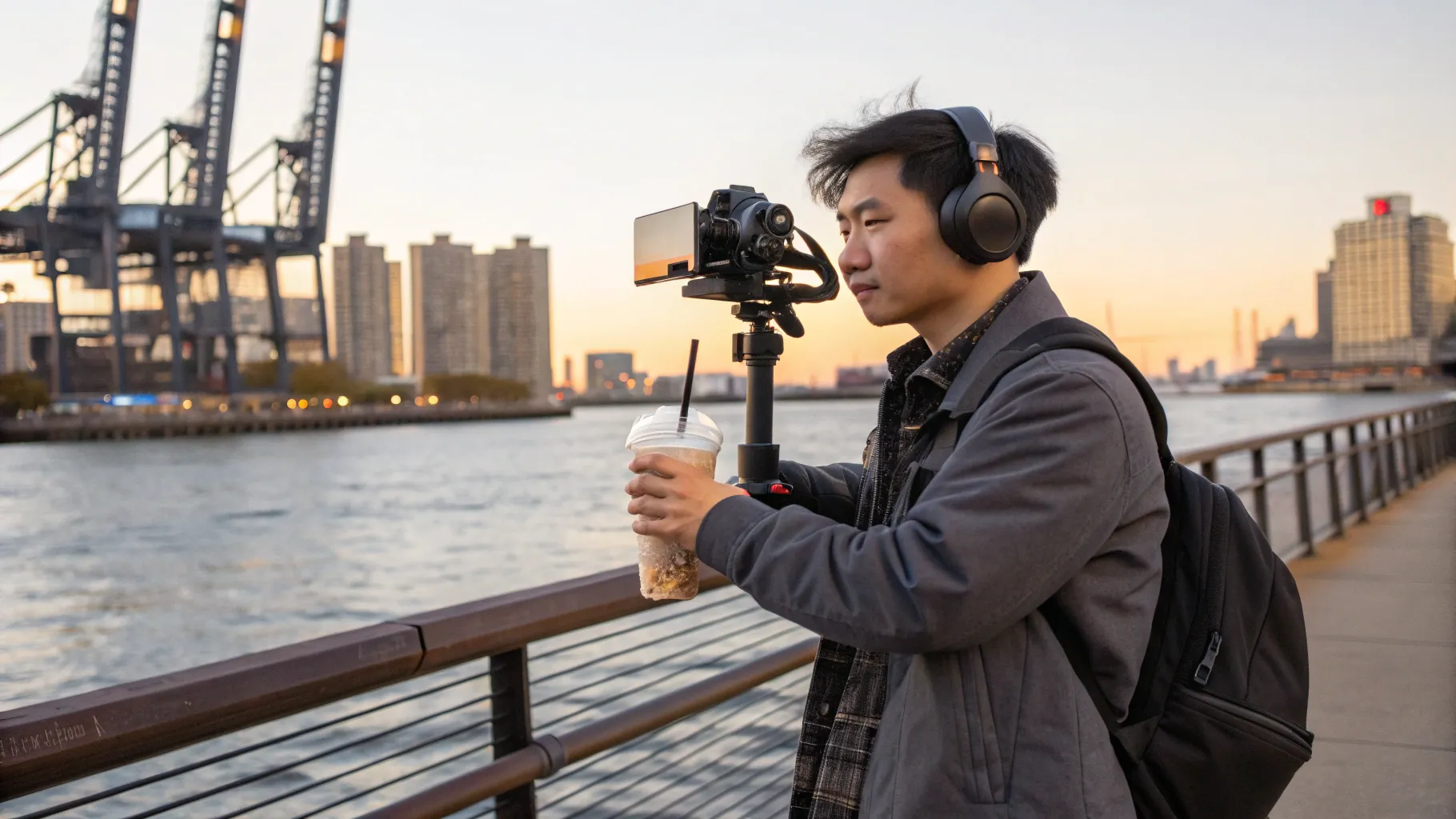
Table of Contents for David Fung Interview
Gain exclusive insights into his creative process and tips for thriving abroad in this interview.
Introduction to David Fung Interview Proposal
I've lived in and out of New York City for nearly a decade, and as an Expat NYC observer I get asked a lot about how the city has changed. This conversation captures those on-the-ground observations—what feels new, what’s gone, and what’s worth paying attention to if you’re an Expat NYC resident or someone considering a move. Below, I answer short, focused questions about the biggest shifts I’ve noticed and why they matter.
You've been away and returned—what stood out first about the city?
The most immediate thing I noticed was Long Island City (LIC). Ten years ago LIC felt like an industrial, working-class Queens neighborhood with warehouses and steady local rhythms. Today parts of LIC read almost like a mini-China—there’s a cluster of affluent Chinese students, young professionals, and entrepreneurs who have transformed the cultural scene. Clubs, speakeasies, and venues that host Chinese rap and pop performances are now local fixtures. For an Expat NYC eye, it’s a reminder that neighborhoods can shift quickly when new communities arrive with money, networks, and entertainment sensibilities that feel familiar to them.
How has immigrant life and international culture changed the city's retail and food landscape?
One clear shift is the arrival of familiar chains and cuisines from abroad. I’ve seen Luckin Coffee and fashion brands from China pop up in Manhattan. On the food side, Thai, Vietnamese, and Mexican restaurants have exploded in both quality and variety—authentic regional offerings are spreading beyond traditional enclaves. For Expats in NYC this matters: you can now find flavors and brands you recognize from home, and the city’s culinary scene feels more global and accessible.
What about small cultural pockets—like writer hangouts and hipster coffees—are they still around?
Yes, but they’ve spread. Coffee spots once centered in a few neighborhoods now pop up in places you wouldn’t expect, even slow-changing areas like Two Bridges. Production houses, script writers, and self-described “writerly” crowds have migrated into these spaces. The vibe is a mix of high-priced specialty coffee and creative hustle culture. If you’re an Expat NYC who values co-working energy or cultural meetup spots, you’ll find them more distributed but often pricier.
How would you describe public-safety trends—has crime changed in ways people should understand differently?
Crime statistics can be misleading unless you parse the types of incidents. Overall per-capita numbers may show improvement in traditional categories, but the nature of public incidents has shifted. I’ve noticed more unpredictable, solitary incidents involving people affected by synthetic drugs like K2 or fentanyl—episodes that look different from organized gang violence. For Expats in NYC, the takeaway is to be situationally aware: the city is not uniformly unsafe, but encounters you once never saw in public spaces are more visible now.
What's new in transportation—anything surprising about city bikes or micro-mobility?
The expansion of electric shared bikes—those gray, lightweight models—has been dramatic. They’re fast, convenient, and widely adopted, which forced the city and operators to limit top speed after people started going too fast. Micro-mobility changes how Expats in NYC move around: short trips are easier, but you’ll want to learn the etiquette and be careful in congested areas where bikes, scooters, and pedestrians mix.
Is New York still the hip-hop capital it once was?
It feels different. Hip-hop remains a central cultural influence, but in public life—bars, mainstream parties, and daily playlists—there's less new New York hip-hop driving the soundtrack. Instead you hear more Afrobeat and EDM at venues that want universal dance energy. Streetball culture has also declined in visibility; parks and courts are quieter, though serious players may simply be moving indoors. For an Expat NYC who grew up with a certain soundtrack, it can feel like the city’s musical identity is shifting.
What food trends are worth noting for someone moving here right now?
Authenticity and regional specificity have arrived en masse. Vietnamese cuisine, in particular, has improved—brothy, lighter fare that appeals to health-conscious diners is everywhere. Thai cooking has become bolder and more adventurous, and Mexican spots range from traditional to trendy. Importantly, bargain-focused, high-quality ethnic eats—hand-pulled noodles, regional dumplings, and niche Hunan/Fujian shops—are attracting wide, cross-cultural crowds. For Expat NYC residents, this is one of the friendliest eras to explore global food without leaving the boroughs.
Are there more transplants now? How do they change the city?
Definitely. New Yorkers have always been transplants, but the composition has shifted. Beyond law and finance, you now see influencers from LA, tech workers from San Francisco, and short-term creative residents. Furnished subleases and flexible rentals mean people can live here for a few weeks or months with little commitment. This makes neighborhoods feel less permanent—more pop-in/pop-out—and affects community investment. Expats in NYC will notice both the vibrancy and the ephemeral nature of many social scenes.
Has rising expense altered how people eat and hang out?
Yes. As dining out has become expensive, people hunt for bargains and hidden gems. That’s why once-offbeat cheap spots are now packed with curious crowds. TikTok and social media have accelerated this trend: a cheap, excellent noodle shop can become a hotspot overnight. For Expats NYC life often involves balancing splurge experiences with these budget-friendly ritual spots that also deliver cultural authenticity.
What about retail and retail permanence—are stores staying open the way they used to?
Retail is more temporary. Pop-ups are everywhere: fashion brands, music launches, and celebrity activations take over storefronts for short bursts. That model works for social-media buzz, but it changes neighborhood character. As an Expat NYC resident, you’ll see fewer long-standing mom-and-pop storefronts and more rotating cultural mini-events. It’s exciting and Instagrammable, but it can feel less stable.
Live streaming and creator culture—has that transformed the street scene?
Streaming has come to the sidewalks. Whereas holding a pro camera used to feel like a Los Angeles move, you now see New York streamers walking, performing, and interacting with live audiences on city streets. Sneaker shops, street food stalls, and small businesses are being broadcast live to global audiences. For Expats NYC this means interactions can be performative—sometimes fun, sometimes intrusive—but it also opens opportunities for cultural exchange and exposure.
Do you notice a wider gap between rich and poor in the city?
The K-shaped recovery is visible: upscale enclaves, private clubs, and luxury amenities co-exist with neighborhoods where maintenance and public services feel neglected. Parks can be cleaner in new developments and more rundown in older areas. This stratification affects how Expats NYC inhabitants experience public spaces, transit, and community resources. You can easily move between polished, exclusive zones and under-resourced neighborhoods in a single day.
Are operating hours and late-night life changing?
Yes—many places close earlier. With delivery apps and ghost kitchens, restaurants can run profitable delivery operations without staying open late. That has reduced the number of late-night diners and old-school 24-hour spots. For Expats NYC, that means planning social life differently: late-night walks and after-hours meals aren’t as guaranteed in every neighborhood as they used to be.
Any other tech or payment shifts you've seen?
Cash is rare. Tap-to-pay, Apple Pay, and NFC readers are the norm. It’s easier for visiting Expats to travel light—digital wallets are accepted almost everywhere, and the city has adapted quickly to contactless transaction culture.
Is wellness culture really a New York thing now?
Wellness—saunas, cryo options, boutique recovery studios—has mushroomed across the city. What used to be LA and SF territory is now embedded in new buildings and standalone studios. While cost can be a barrier, the overall availability of wellness services is a boon for Expats NYC residents who prioritize health and recovery as part of urban life.
After all these changes, what's your bottom-line advice for someone living as an Expat NYC?
New York is changing everywhere—some in ways that preserve history and community, others that accelerate turnover and privatization. If you’re an Expat NYC, embrace curiosity. Seek both the branded, polished experiences and the small, local pockets that hold authentic community. Be flexible: adapt to short-term pop-ups and long-term neighborhood shifts. Most importantly, curate your own version of what makes the city meaningful—bring the elements you love into the present rather than complaining that eras are passing without you.
Takeaways from David Fung's Creative Journey
- Neighborhoods evolve quickly—LIC exemplifies rapid cultural transformation driven by international communities.
- Food scenes have diversified; Thai, Vietnamese, and Mexican offerings are stronger and more authentic than before.
- Crime patterns changed in nature more than volume; be aware of new public-safety dynamics.
- Micro-mobility and cashless payments have reshaped everyday movement and convenience.
- Pop-ups and short-term transplants make the city feel less permanent but more experimental.
- Wellness culture and streaming/creator scenes have become major parts of urban life.
FAQ
What does "Expat NYC" mean in practical terms?
"Expat NYC" refers to people who live in New York City temporarily or semi-permanently, often with international ties. Practically, it means navigating flexible housing, pop-up culture, cashless payments, and a food scene rich with home-country flavors. For many Expats NYC life offers both convenience and rapid cultural change.
Is it safe for Expats to live in New York now?
Safety is nuanced. Overall crime statistics can paint a rosy picture, but new types of public incidents exist—often linked to synthetic substances and individual episodes. Expats should exercise normal urban caution: know your neighborhoods, avoid risky late-night areas alone, and stay informed about local conditions.
How expensive is dining and can Expats find affordable authentic food?
Dining has gotten pricier, but the explosion of authentic, affordable ethnic spots gives Expats many options for excellent meals on a budget. Seek out neighborhood gems, hand-pulled noodle shops, and regional specialists—the value is often exceptional compared to mainstream restaurant pricing.
Are there good housing options for short-term Expats?
Yes. Furnished subleases, short-term rentals, and flexible leases are widespread. They let Expats test neighborhoods without long-term commitments, but expect to pay a premium for flexibility and convenience.
Will I miss the "old" New York if I move now?
You might miss certain cultural touchstones—old-school bars, late-night diners, and dominant local hip-hop scenes—but New York reinvents itself constantly. The key is seeking both new favorites and the pockets that still preserve the city’s traditional character.
How should Expats approach building community in a more transient city?
Prioritize repeated local routines—regular coffee shops, fitness classes, volunteer opportunities, or neighborhood meetups. Those repeated interactions create deeper ties more reliably than one-off pop-up events. Be proactive: say hello, attend a meetup, and use shared spaces to build a social network.
Final Thoughts
New York as experienced by an Expat NYC is a tapestry of rapid arrivals and slow-preserved corners. The city is both more global and more transient. If you live here, choose what you want to preserve from past eras and integrate it into today’s rhythms—New York will keep changing with or without you, but you can shape your own version of a meaningful urban life.
SEO is LIVE |
|
Check out this really cool SEO websites |
| Do NOT Click me |
Comments
Post a Comment