- Get link
- X
- Other Apps
Interview Proposal with Andy, a British artist who has been living in Cambodia for three years — Expat Story
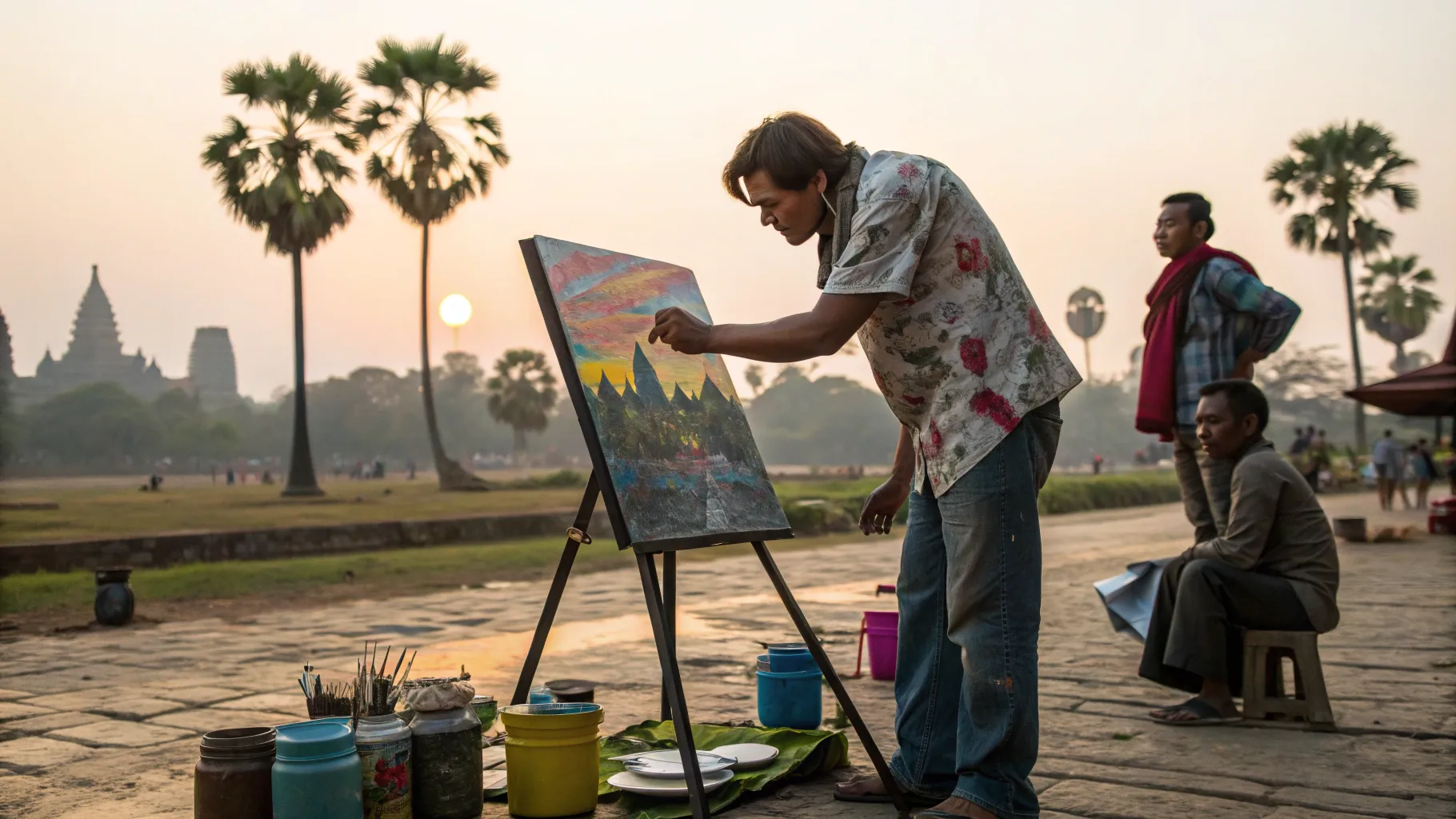
Table of Contents
Introduction
Meet Andy, a British artist who has been living in Cambodia for the past three years. In this video, he talks about what life here is really like, what to know before moving, tips for working with Cambodians, how to avoid the ‘cheap life’ trap, and why he chose Siem Reap instead of the capital, Phnom Penh. This interview-style Expat Story distills his experience into practical advice, honest observations and cultural tips for anyone considering a move to Cambodia or curious about expat life in Southeast Asia.
This Expat Story is based on a conversation captured by Austin Tukwa and reflects three years of living in Siem Reap (often spelled "CM Reap" in the transcript). The interview covers everyday realities: cost of living, safety, work culture, visa pitfalls, nightlife and drinking culture, language barriers, and the personal changes that come from living abroad. If you are researching the path to becoming an expat in Cambodia, this Expat Story will help you set expectations and prepare before you arrive.
.png)
Outline
- Why Andy chose Siem Reap over Phnom Penh
- Cost of living and the freedom of time
- Common misconceptions and safety
- Working with Cambodians: expectations, respect and communication
- The "cheap life" trap: alcohol and mental health
- Practical pre-move advice: visas, work permits and teaching online
- Adapting to culture, language and climate
- Biggest challenges and how Cambodia changed Andy
- FAQ
Q: How does life in Cambodia compare to life in the UK? What made you decide to stay?
Andy: The difference felt immediately. In the UK I experienced the "rat race" — working a lot to pay rent and bills, living in survival mode even when life was comfortable. Arriving in Siem Reap changed the pace dramatically. The most important thing Cambodia gave me was freedom of time. I can rent a high-quality two-bedroom apartment for about $120–$150 a month in Siem Reap, which means after rent and bills I have far more disposable income and free time than I did back in the UK. That time allowed me to start creative projects, test ideas and breathe.
It’s also a reminder of a privilege: being a native English speaker and British made it easier to teach or find income streams that aren't available to many visitors. If you were making around £1,200 a month in the UK on a typical job, you can come here, teach English and potentially be eight times better off in terms of leftover money after expenses. That financial difference combined with fewer hours spent commuting and a slower pace of life makes a compelling Expat Story for many.
Q: Are there misconceptions people in the West often have about Cambodia?
Andy: Definitely. One big misconception is that Cambodia isn't safe — in Siem Reap, especially, it feels very safe both daytime and nighttime. Local governance and community focus make crime stories rare; I haven't heard reports of serious street crime in my three years here. Another misconception is that the capital is the only viable place to live; many expats overlook places like Siem Reap which offer countryside vibes, access to nature, and a different quality of life compared to Phnom Penh.
People also underestimate cultural differences in work rhythm. In the West we often expect rigid punctuality and a fast tempo. Cambodians can be more relaxed about time, they might arrive late or operate on a different concept of planning. That can be frustrating but it also brings a work-life balance worth appreciating — people here know how to mentally switch off and prioritize family and relaxation.
Q: Why choose Siem Reap over Phnom Penh?
Andy: Choosing Siem Reap over Phnom Penh was like choosing the countryside over a big city. Siem Reap has peaceful, village-like energy, less traffic, easy access to nature, and the temples and mountains nearby provide daily reminders of beauty and scale. Siem Reap offers creative inspiration and the freedom to step away from skyscraper life. Phnom Penh has more money and higher-paying teaching jobs, but I value the time and space here to create art and live with fewer distractions.
Q: What is the working culture like when working with Cambodians? Any practical tips?
Andy: The most practical tip is to balance expectations: be prepared for different time and communication norms, but also respect local ways. I’m very westernized — I like to be 30 minutes early and have a clear plan. In Cambodia, people may be more relaxed about time. That doesn’t mean they’re lazy. When they work, they often work hard; afterwards they value family time and socializing.
- Tip 1: Respect first. Hierarchy and respect are important in many workplaces. Yelling at staff — common in some management styles — is counterproductive, especially if wages are low. Treat people with dignity and compensation fairly and you’ll get better engagement.
- Tip 2: Compensation matters. Expect that if a local is paid very little (e.g., $100–$120 a month for cafe work), motivation will suffer. Fair pay and mutual respect improve productivity and loyalty.
- Tip 3: Learn a few phrases of Khmer (Cambodian). Language effort builds trust and respect quickly. It also opens up community connections beyond the expat bubble.
One real example Andy gave: a manager who shouted at his team routinely would get poor results. Conversely, a manager who treats staff fairly and allows time for life outside work will find employees more motivated and creative.
Q: What about daily life — costs, food and transport?
Andy: Daily life in Siem Reap can be surprisingly affordable. Rent for a good two-bedroom apartment can be around $120–$150 per month. Simple transport by motorbike is cheap and convenient for getting around town and to nearby temples. Food is generally inexpensive if you eat local dishes — Andy joked that he’s not a foodie and eats simply, mostly coffee, water and egg fried rice — but options range from street food to upscale international dining.
This affordability also translates into more freedom: more time and money leftover after covering essentials. That’s a big theme of this Expat Story: many expats come for the financial flexibility and the chance to fund creative projects while living comfortably.
Q: What pitfalls should prospective expats watch out for before moving to Cambodia?
Andy: There are practical and emotional pitfalls.
- Visas and work permits: Research the paperwork thoroughly. Andy warned of people who accumulated years of missing work permits and later had to pay large fines — in one case he knew someone asked to pay $2,000 to regularize their status. Do not let your permits lapse and plan visa runs or official renewals with reputable advice.
- Employment backup: If you don’t have a specialist skill, start teaching English online before moving. That way you’ll have a fallback income while searching for local schools or other work. Many expats arrive expecting to find teaching jobs immediately and then struggle if they can’t.
- Fixing problems by moving: Don’t move to Cambodia thinking it will fix mental health, addiction or relationship problems from back home. There is cheap alcohol, easy access to drugs, and a social scene that can enable unhealthy behavior. Andy emphasized that changing location doesn’t automatically change internal problems. Many people have become trapped in cycles of addiction after moving here.
Plan your paperwork, secure a financial safety net, and avoid romanticizing relocation as a cure-all. This is a recurring lesson in many Expat Story narratives: the external environment changes, but internal struggles often follow you.
Q: The interview mentioned a “cheap life trap.” What is that, and how do you avoid it?
Andy: The "cheap life trap" is the illusion that low cost of living solves deeper issues. Cambodia’s affordability can enable unhealthy habits: easy access to cheap beer (there’s a popular beer promotion where pulling a tab can win you another beer), frequent nightlife and a strong expat drinking culture. For someone with a history of alcohol problems or poor mental health, those temptations can be enabling.
Avoiding the cheap life trap means being intentional:
- Set a daily routine and personal boundaries. Andy suggests doing productive activities during the day and reserving social drinking for after 6 p.m. — this helps keep daytime focused and purposeful.
- Find community groups with non-drinking activities: art, games, spiritual groups, sports, and volunteer opportunities. Seek out people who share constructive interests and can support your long-term plans.
- Keep treatment and medication on track. If you rely on medication or therapy, arrange continuity with telemedicine or local health providers before moving.
- Maintain financial planning so you’re not dependent on low-paying jobs that lead to low self-worth and destructive social circles.
Andy’s personal experience — having struggled with homelessness and addiction earlier in life — gives weight to his warning. He’s seen people come to Siem Reap thinking a change of scenery will fix everything and then get trapped because of easy access to substances and nightlife.
Q: How does the drinking culture here compare to the UK?
Andy: The UK is well known for its drinking culture, but Cambodia has an intense expat drinking scene too. Many social events center around alcohol and pubs. The business model of bars and promotions (like the beer tab promotion) increases consumption. From Andy’s experience working in alcohol and drug abuse in Oxford, he suggests keeping drinking to evenings and avoiding daytime drinking to preserve productivity.
He also commented on the sad sight of older Western men sitting in bars daily, often isolated and dependent on alcohol and paid companionship. Part of a healthy Expat Story is recognizing these dynamics and choosing communities or activities that provide meaningful connection beyond a bar stool.
Q: How has living in Cambodia changed you personally?
Andy: Cambodia widened his perspective beyond the UK bubble. It’s a visceral reminder that poverty, culture, and daily life can be radically different only a few minutes away from more affluent neighborhoods. Living here has deepened Andy’s appreciation for community and culture. He’s had the time to study Khmer culture, visit pagodas and temples, and learn from local artists and cultural workers. That exposure has influenced his art and life priorities.
Another change: learning to value time over constant productivity. In the UK, being busy became a badge of honor; Cambodia gave him space to prioritize experiences and creativity, to test new projects and to develop patience. That’s central to his Expat Story: choosing a pace of life that supports artistic growth and personal recovery.
Q: What are the biggest challenges expats face in Cambodia?
Andy: He highlights two main challenges:
- Language: Khmer (or "Kamay" as referenced in the transcript) is challenging for many Westerners. Learning Bahasa or local dialects is not just practical — it’s a way to earn respect and deeper integration. Language laziness is common, but those who invest in language skills are welcomed more genuinely into communities.
- Skill diversity: Many expats arrive hoping to teach English. The market is saturated with teachers, so if you want long-term success, bring another skill or a concrete business or art project. Having a professional niche or an online income buffer increases resilience.
Other challenges include building real connections beyond the expat drinking scene and navigating local bureaucracy for visas and permits. If you plan correctly and respect local customs, these barriers can be managed.
Q: How did you adapt to the climate and daily pace of life?
Andy: Surprisingly well — he says he adjusted to the heat without major problems despite having pale skin. For others adaptation may be tougher. Practical tips for climate and pace adaptation include:
- Hydration and sun protection: Drink lots of water, use sunscreen, and sleep well.
- Pace your day around cooler hours: Morning or late afternoon for outdoor work.
- Accept the slow pace: Cultural patience and a willingness to slow down can reduce frustration and increase daily joy.
Andy also found community and regular activities helpful to anchor daily rhythms and avoid loneliness.
Q: Any memorable anecdotes or observations that capture this Expat Story?
Andy shared small moments: the joy of being able to afford a good apartment on an artist’s budget, the freedom to visit temples and mountains on weekends, and the warmth of local people who readily teach him about culture and art. He also recounted seeing the negative side — expats getting trapped in drinking routines or people who leave paperwork unresolved and later face heavy fines. Those contrasts make an Expat Story authentic: beautiful freedom mixed with responsibilities and hard truths.
Q: Practical checklist — what should someone do before moving to Cambodia?
Andy’s pre-move checklist:
- Research visas and work permit requirements thoroughly; budget for official fees and avoid informal shortcuts.
- If unsure about career stability, start teaching English online before relocating. Remote teaching can be a financial safety net.
- Have at least 3–6 months of savings or a guaranteed income stream before leaving home.
- Start learning basic Khmer phrases; locals appreciate the attempt and it helps daily life and respect.
- Understand your mental health needs and secure continuity of care or medication, if required.
- Plan housing ahead or secure short-term accommodation so you can view places in person and avoid scams.
Conclusion
This Expat Story with Andy paints a nuanced picture: Cambodia — and Siem Reap in particular — offers a chance to slow down, free up time and money, and live a life more conducive to creativity and recovery. But it also demands responsibility: get the paperwork right, avoid assuming relocation is a cure for personal problems, be wary of the enabling facets of cheap living, and invest in relationships, language and skills that bring lasting value.
If you’re considering joining the growing community of expats in Cambodia, use Andy’s experience as a practical map: prioritize legal residency, secure income, seek healthy social groups and respect local culture. The rewards are real — deeper time for art, access to nature and temples, and a safer, slower life — but they come with obligations and the need for self-awareness.
FAQ
Q: Is Cambodia safe for expats, especially Siem Reap?
Andy: Yes. Siem Reap is considered very safe both during the day and at night. Local governance and community initiatives have made it a place where serious street crime is relatively rare. Of course, use normal precautions like safeguarding valuables and avoiding risky areas late at night.
Q: How much does a comfortable apartment cost in Siem Reap?
Andy: For a good two-bedroom apartment, expect to pay about $120–$150 per month in Siem Reap. Prices vary depending on location and amenities, but that range reflects the affordability that many expats highlight in this Expat Story.
Q: Can I teach English without a degree or TEFL certificate?
Andy: It’s possible to find casual teaching work, but many schools prefer candidates with TEFL/TESOL certificates and a degree. Starting with online teaching at home can help you build experience and financial stability before relocating.
Q: How do I avoid the "cheap life trap" and social isolation?
Andy: Be intentional about social choices. Join hobby groups, art communities, volunteer organizations or spiritual groups. Limit routine bar nights, keep a day-focused schedule, and build relationships with both locals and expats who share constructive interests.
Q: What are typical pitfalls with visas and work permits?
Andy: Failing to register or renew permits promptly can lead to fines and legal trouble. Seek reputable advice, keep documentation up to date, and avoid paying under-the-table fees that create future liabilities. Plan renewals and visa runs responsibly.
Q: How do local Cambodians generally view expats?
Andy: Many Cambodians are welcoming, especially when you make an effort to learn language and respect local customs. Showing respect and attempting Khmer phrases will broaden your social circle and deepen mutual understanding.
Q: Is healthcare accessible for expats in Siem Reap?
Andy: Siem Reap has clinics and hospitals that serve expats, but for serious health issues many expats travel to Phnom Penh, Bangkok or Singapore for advanced care. Health insurance with medical evacuation coverage is recommended.
Q: How important is learning Khmer (Khmer/Kamay) to integration?
Andy: Extremely important. Even a few basic phrases communicate respect and willingness to engage with culture. Learning Khmer makes daily life smoother and earns you immediate respect from local communities — a powerful element of a successful Expat Story.
Q: Can digital nomads and creatives thrive in Siem Reap?
Andy: Yes. The cost of living, relaxed pace, and natural beauty make Siem Reap attractive for creatives and digital nomads. However, successful long-term residency requires planning around visas, income stability and choosing supportive communities beyond the nightlife scene.
Q: Where can I learn more or watch the original interview?
Andy: The original video interview was conducted by Austin Tukwa. Check his channel for the full conversation to see specific examples and personal anecdotes that informed this Expat Story. Watching the video gives additional context and tone that complements this written interview summary.
Final thoughts
This Expat Story with Andy highlights a balanced path for anyone considering life in Cambodia: embrace the financial and time freedom, engage with the culture and people, but also prepare legally and emotionally. Cambodia can offer a life-changing experience if you go with respect, clear plans and self-awareness. Whether you are an artist, teacher or entrepreneur, this Expat Story is a reminder that location changes are powerful — but they work best when combined with personal responsibility and thoughtful preparation.
SEO is LIVE |
|
Check out this really cool SEO websites |
| Do NOT Click me |
Original interview recorded by Austin Tukwa. For the full conversation, visit Austin Tukwa’s YouTube channel and watch the complete video to hear Andy’s voice, anecdotes and the atmosphere that inspired this Expat Story.
Comments
Post a Comment