- Get link
- X
- Other Apps
Introduction
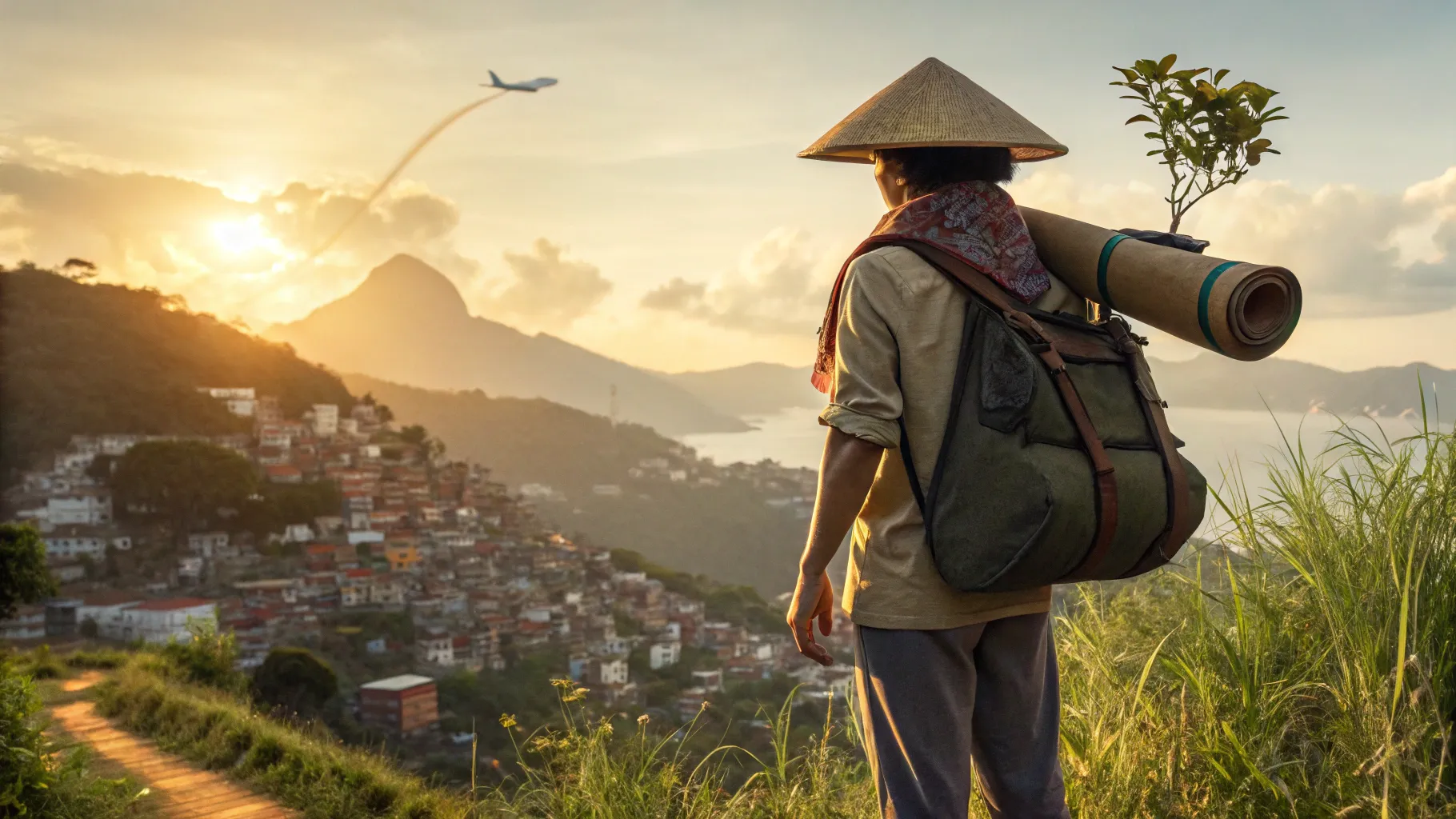
In this interview, I talk with travel creator and entrepreneur SEO Acai Lover. We talk about why he stopped backpacking in Asia and chose to start a new life in Brazil. The phrase "leaving Asia" comes up a lot for him because it means a big change in his life. It's not about leaving places he liked. It's more about going from always traveling to living in one place in South America. We talk about how he managed flights, visas, and other things. We also talk about how he felt and how he got used to his new life. There are tips here for people who want to make a change like he did.
Outline
- Why leaving Asia now: the mindset shift
- First impressions: Vietnam and Da Nang
- Why Thailand was a long stay and what changed
- Flights, tiredness, and the travel cost of constant movement
- Getting to and settling in Brazil: neighborhood, apartment, first impressions
- Favela life and favela tours: ethics, business, and culture
- Food, fitness, and daily rhythm in Rio
- Work, content creation, and building a long-term base
- Practical tips: visas, SIM cards, local contacts, safety, and housing
- Reflections, gratitude, and what’s next
- FAQ
Can you start by summarizing why you’re leaving Asia and moving to Brazil?
I’m leaving Asia because to keep moving, packing, and living out of bags wore me out. Asia gave me my first spot to stay long-term. It was a big part of my story—especially Thailand. But after more than a year of going to new cities and places, I get that I want a place to call home.
I feel Brazil has a culture, energy, and feel for life that speaks to me in a way Asia does not now. I’m not saying Asia is bad—it’s not. But the way I want to live now is not about backpacking all the time. I want to feel settled, be in one place and grow a business and friends close to home. So, my move from Asia is not running away. It is about picking the next part of my story.
How did Vietnam and Da Nang feel as one of your last stops in Asia?
Vietnam was cool. Da Nang is a good place for people who want to start traveling in Asia. It has a chill feel, it is easy to find rent, living is cheap, you get great views, and life moves at a slow pace. The weather there was hot, and the city did not feel stressful. There are some downsides—people felt less warm than I felt in other places. People do things fast, but they are not always open or friendly. This was not a big problem on its own. But, when added to me being tired from always moving, it made me think about where I really want to stay for a long time. I liked Da Nang for what you get—it is a great place for beginners and is a good place to start. Still, it made me sure I want something else, away from always moving around Asia and the changes that come every few weeks.
You mentioned you often return to Thailand. Why was Thailand your base for so long?
I stayed in Thailand for a year. I lived there, made my own habits, and learned a lot. It was cheap and easy to get around. The country has good setup for people who work online. The weather and beaches are amazing.
After spending one year there, I started feeling a need for something different. Thailand gives you many things. It can feel almost too easy, and after some time, that can feel like too much comfort. I felt like I wanted more from daily life. I wanted more types of people and stronger culture. I wanted a place that did not feel like a long trip for tourists.
I was looking for real connections and places where people feel close. Wanting more culture and wanting to feel like I belong was a reason for me to decide. I stopped telling myself “I am leaving Asia” as if it was a short thing. Instead, I decided to move to South America for good.
What was travel like the day you left Vietnam and passed through Thailand on your way to Brazil?
It was a long day. I flew from Da Nang to Bangkok. The flight took about an hour and a half. I stayed a few days in Bangkok to sort out practical things like my Invisalign sets. After that, I set out on a long trip to Brazil. The trip included a flight of more than five hours to Dubai, and then a flight of about fourteen to fifteen hours to Rio.
Leaving Asia felt heavy on those travel days. There were airports, lots of security checks, sleep tablets to help with the long flights, and that feeling when you’re not sure what country you’re in yet. All this made me feel grateful, and I started to think about life. I remember sitting in airports thinking, “I’m 23, I’ve traveled the world, and now I’m moving to Brazil.” That grateful feeling helped me get through the tough parts of this journey.
How did you feel emotionally about leaving Asia during that long travel day?
It was a mix of feelings. There was relief, excitement, and also a bit of sadness. Leaving Asia felt like ending a big and important part of my life. At the same time, I was happy about finding a new place to live. Brazil felt like home to me in a way that other places did not. The tired feeling that comes from travel made everything feel even more intense. Airports always make me think about my life. In the end, I felt thankful. I told myself to feel gratitude first and to value the things that brought me here. Leaving Asia felt like the next step I chose to take, not a way to get away.
What were your top positives and negatives about Vietnam and Da Nang?
Positives: the weather is hot. the vibe is chill. prices are low. bike culture is strong. there are nice views. it's easy for beginners to start out in Asia. This is a good place to try traveling and remote work.
Negatives: people are not as warm here as in some other countries I have been to. For me, it didn't feel right with where I want my life to go. The people get things done well, but they are not as openly warm. That may not be true for everyone. It's just how I feel and what I need from a place.
Why Brazil — what attracted you so strongly to returning there?
Brazil has a feel I can't get in other places. The people, music, food, and everything around are full of life. The way people are warm, the outdoor fitness, the energy of samba, and the taste of food — I love the churrasco (Brazilian barbecue). All of this makes me want to stay here for a long time.
I feel the best thing is how Brazil seems to be the right spot for me to build a home and start my work. I can see myself being here, getting a long-term visa, finding a place to rent, and really making it feel like home in a way I can't do in Asia now. So, leaving Asia helps me make all this happen.
What was your first day in Brazil like after leaving Asia?
Jet-lagged but full of energy. I got here tired after a long 22-hour flight, but the feel of the city gave me a lift. I checked out the apartment and felt good—it was very nice and in a better spot than the tourist parts I had stayed in before. The next few moments were simple and meant a lot to me: a big churrasco, meeting up with friends from here, a 5k run by the coast in the morning, and a strong feeling that I made the right call leaving Asia to be in Brazil. Even small things, like having breakfast with a view and watching people working out in the morning, made me happy.
How did you choose your neighborhood and apartment in Rio this time?
I wanted something other than the usual tourist areas like Copacabana. The first time I stayed in Rio, I was in the well-known gringo zones — Copacabana and Ipanema — which are great, but feel very tourist-focused. This time, I thought about where I wanted to feel at home. I chose a nicer, less crowded area that was more local and high-end. The apartment was a real step up. It had good views, enough space, modern things, and was in a town area where I could feel safe and a part of daily life. Picking where to live was about my way of life. I wanted to be close to local food markets, the fitness scene, nice spots to walk or run, and feel the true Brazilian feel, not only things set up for tourists.
Tell me about the food — you talked a lot about meat and protein. How does Brazilian food compare to Asia?
Brazilian food is full of protein, and I really like that. The churrasco scene is perfect if you love meat. You get different kinds of meat on skewers and you can eat as much as you want at rodízio restaurants. With your meat, there are things like plantains, fries, rice, and salads. When you look at Asia, I feel the meals there are lighter, with lots of soups and smaller dishes. Brazil’s food is filling and gives me that protein boost after I spent time eating lighter meals in Asia.
I know that Asian food has so many choices, uses fresh things, and gives so many new tastes. But, the Brazilian way just works well with how I feel day to day and what I want when I need a big meal. Food in Brazil is also about people coming together to eat. There are huge barbecues, everyone brings something to share, and you feel close with others while eating.
What’s the fitness and outdoor culture like in Rio compared to where you’d been in Asia?
One big difference is how much people in Rio are outside and moving. On Saturday morning, you will see many people walk, run, ride bikes, and do group exercise on the sidewalks and at the beach. There is a clear love for fitness you can see outside. Almost everyone is doing something and there is a lot of activity. This feels good, when I come from places where people spend a lot of time indoors or don’t exercise in public. Life outdoors in Brazil helps people keep up with a daily rhythm, and this made it easy for me to feel at home and start my fitness routine again.
You spent time in favela areas and did favela tours. What are your thoughts about those tours?
Favela tours are not simple. There are two sides to them. They bring in money for people living in the area and can help their economy grow. Tours that use guides who know the area well let visitors see real life stories, learn about culture, samba, capoeira, and see what social projects are going on. At the same time, favela tours can feel like they just try to sell the idea of people’s hard lives. It can feel like people are being watched for fun. This leads to questions about if people are using poverty just for entertainment. I fall somewhere in the middle. I think tours are good when they show respect for local people, hire people from the community, and help people living there. At the same time, we should pay attention to what we do. If you go on a tour, get a guide from the area, buy from people and shops there.
How did local guides and friends help you after leaving Asia and arriving in Brazil?
Locals helped make things smoother for me. My friend Alex, who runs favela tours and lives in the area, was a big help. When you have friends who know the place, the culture, and things like SIM cards, local markets, and night spots, you feel less like a lost visitor. They also give you chances to work together and find business ideas for content creation. The right people saved me lots of time and made my whole experience feel richer. They got me into places I would never find by myself. When you leave Asia to go to a new place, having people who live there is one of the best things you can have.
What are the practical steps you took on arrival — SIM, shopping, and settling in?
Practical steps included: getting a local SIM card for good communication. I do a food shop to fill up the apartment with what I need. I also set up a longer stay and skip short-term Airbnbs. I spend time walking in the area to know the streets, gyms, and markets.
For plans like visas and rental agreements, I start early. I collect the papers I need. I find local contacts to help explain steps or go over rules. I read about which visa makes sense for my case. This can be work, investment, or the type where I can stay for a bit but not too long. Leaving Asia showed me I should do these tasks soon, so I can feel steady in the new place.
Tell me about the nightlife and social life — you mentioned parties in the favela and big events. What was that like?
Nightlife in Rio is big and full of life. There are large parties in favelas on weekends. These can last all night and bring in many people. The favela parties and baile funk nights feel intense, real, and packed with energy. Here, you can meet locals, dance, and feel real Brazilian culture. Sometimes, for safety and to keep a low profile, I leave my filming gear at home. Favela nightlife is not the same as a club. It is honest and shared between everyone, and that’s what many people like. If you want to go, stay with locals. Make sure you respect the place, and think about what things you bring with you.
How does content creation fit into your decision to stop backpacking and start building a base in Brazil?
Content creation is an important part of the decision. When you are always on the go, your content often turns into quick travel videos. But if you have a home base, you can make better work. You can set up a studio, use the same background each time, and have a regular schedule for making content. You can also plan projects in a better way, like showing the steps to get a long-term visa, looking for a new place to live, and joining the local community. A base helps me run my business in a better way, too. I still travel, but staying in one place lets you set up a steady way to create content. You can work with local makers and make longer, connected stories. This type of content feels more real to people who want to see the whole story rather than just clips of the best moments.
What did your network call mean to you during this transition?
The call with everyone helped me feel grounded. We may be tired from travel and jetlag. Even so, regular business calls and talks with others remind us that work goes on. A group of people working toward the same goal helps keep you focused. It also helps people swap ideas. On the call, some shared good news, like one person getting a closing role and selling 3k tickets. This shows how your content and personal brand lead to offers and chances to make money. That call showed me that moving away from Asia does not mean your work stops. It is just about finding a new spot to grow in both life and business.
You mentioned feeling burnt out from travel. How did you identify burnout and decide enough was enough?
I started to feel burnout. I was tired all the time. I did not feel up to plan my next move and started to feel like I just wanted to stop packing. Airports and long flights left me worn out, both in body and mind. I never got to feel settled anywhere. The moment that changed things was when I noticed that something new every day was not fun anymore. It was just tiring. I needed a regular routine and more privacy. I wanted a spot to leave my things. When I knew this and felt drawn to Brazil because of the people, culture, and my friends there, my choice was simple. I would leave Asia, so I could stop always moving and work on making a steady and longer life for myself.
How did you manage luggage and logistics when leaving Asia for Brazil?
Getting ready was important. I packed up and made my things smaller. I sent some stuff ahead when I could. I focused on what I had to have with me right away. For flights, I looked at the baggage rules before traveling. I got items to help me sleep on long flights. I also set aside extra time when I got there. I didn’t plan too much for the first day because that helps with jet lag. When I left Asia, I had to think hard about what I really need. Taking less with you is the best way to feel free and start fresh.
What safety considerations did you make when moving into a favela area?
Safety is not simple. I picked places where I feel like I get a mix of real local life and reasonable safety. When I visit favela areas, I go with local guides. I do not wear shiny things and always watch what is going on around me. I follow basic rules. I do not walk alone at night in places I do not know. I keep my things safe and stay with friends I trust. Favela neighborhoods are not all the same. Some places feel lively and are safer for people if you go with a guide. Other areas need more care and need you to watch out. Doing your own research, knowing local people, and staying humble help a lot.
How are you handling visa and residency plans now that you’re leaving Asia?
I’m focusing on getting a longer visa and taking care of my papers early. This means I spend time learning about visa types, finding the right papers, and working with local helpers if I need to. Leaving Asia showed me that having the right visa is so important. Without it, you feel like you are running out of time. So now I look into the options that let me stay longer, work in the place, and make a home there. You will see me talk about this — getting visas, dealing with rental papers, and how the local systems work — because many people want to move to a new country and go through the same things.
What are the financial considerations of leaving Asia for Brazil?
Moving to another continent means you start fresh with your money. The cost of flights, paying deposits for long-term places to stay, and setup costs like visas can add up fast. On the other hand, staying in one place helps cut down on flight spending and stops some big surprise costs from staying in many Airbnbs. I want to use the local things around me — things like tours, working with others, and content monetization. It’s very important to keep some extra money for safety. If you want to do what I am doing — leaving Asia for a new home — you should save up to pay for the start and keep enough for a few months’ living costs, until you begin earning in your new place or from abroad.
How do you plan to balance travel and being based in Brazil going forward?
I have a zone-based travel plan. I want to visit South America by going to each region one at a time. Brazil will be my base for this. By doing this, I can keep the people I know close, make routines, and still see all the countries near me. This way, travel stays exciting, but I feel steady enough to handle my business and make new content on a regular basis. I still enjoy going to different places. Now, I pick places for my projects, to team up with others, and for my content series. I do not travel only for moving around.
What are some concrete tips you would give to someone thinking about leaving Asia to move to South America?
Do your research: Look into the types of visas, how much it costs to live, and if the area is safe.
Build local contacts before you arrive: Talk to guides, people who make things, and expat groups.
Bring documents: Keep both digital and paper copies of important papers you need for visas and rentals.
Pack smart: Bring less with you. Ship big things if you need. Put items you use most on top for your first month.
Save up: Make sure you have enough money saved for a few months when you start out.
Learn the language basics: Even learning easy Portuguese words will help you fit in and show you respect their life.
Respect local culture: Be humble and support local people if you go on favela tours or try other things that are different.
Test the area: Rent a place for 1 to 3 months before you choose to stay longer.
Put safety first: Visit new areas with local people so you feel safe.
Find a good mix of habit and adventure: Make a daily plan and also explore new spots nearby.
Can you describe a memorable moment from your first few days after leaving Asia?
One thing that was clear to me was going for a morning run near the coast. There were many local people there. Some were working out, and others were with their families. I saw how life outside is not the same here as in other places. People here use the outdoors often. There is a strong focus on fitness together as a group.
I also remember when I ate at a rodízio. The servers came to us again and again with plates of meat. They offered different things to try. Eating together like this, and having my first full Brazilian meal after being in Asia for months, made me feel at home. This feeling was real and strong.
How do you reconcile the privilege of being able to move countries with the local realities you see?
That’s a good question. Travel allows me to see things in a new way, and it also gives me some duty. I think about how I may change things for the people who live there. I hire local services, help small shops, and work with people from the area to be my guides. When I go on favela tours, I pick companies that pay and treat local workers the right way. I use my platform to help local people share their own stories, not just talk about tough times to get views. Being thankful and humble is key for me. I try to show respect and help where I can.
How will you document this next chapter now that you're leaving Asia?
I will share every part of the move. You will see visa paperwork, how I look for an apartment, ways I try to make friends, and what I learn about favela life. I will also talk about my daily routines. This is not going to be about just quick trips. The posts will go deeper. There will be follow-ups and guides. You will read stories about us, and what we do in the community. You will know how to really move and feel at home in a new place. I will keep sharing updates about wins at work, meeting new people, and how you can use your brand while you live in another country.
What would you say to viewers who are torn between staying in a comfortable place and leaving Asia for something new?
Think about what you want in your life. The way you feel every day matters. Being comfortable is good. But if you feel you want more, like seeing new places, meeting people, taking on a new challenge, or trying a different way to live, then you may want to move from Asia. Take your time with this choice. Try living in the new place for a while first. Make sure you plan for your money and your daily needs. Keep your mind open. When you move from Asia, or from any place that feels safe, use the move to make yourself better. Do not feel like you are just running away. You can wait and change your mind. A move does not have to be for always. It can be for as long as you feel good with it.
What are your next big goals now that you're settled in Brazil?
I want to get a long-term visa soon. I am looking for a place to rent or buy if I can. I also hope to make a studio to help create better content.
I want to build my group of contacts in business. I plan to work with people who live here and make guides about earning money online and moving to another country.
I want to get closer to my friends, learn more Portuguese, and see more of the area. My main goal is to have a life where I feel settled and can travel at the same time.
Is there any advice you'd give about the emotional side of leaving Asia and starting over?
Get set for a time full of ups and downs. There will be some good moments and some tough times too. It is normal to feel sad when you leave things you know, such as your friends, old ways, and the places you like. At the same time, you may feel excited and very thankful. Try small things to feel balanced, like going for a run in the morning, eating at the same times, and talking to your friends or other people you know. Go at your own pace as you get used to everything. It is alright to feel a bit lost sometimes. This won’t last forever. When you leave Asia, you get to keep what you learned. Now you also have more than before.
Practical Checklist for Leaving Asia and Moving to Brazil
Look into visa options and start the application early.
Book your flights and plan layovers well. This helps you deal with jet lag.
Pack your things in fewer bags. Use shipping if you need extra help with moving your stuff.
Set aside extra money for deposits, setup costs, and enough to live for at least three months.
Reach out to local contacts or guides using social media or expat groups before you go.
Book a place to stay for 1–2 weeks while you look for an apartment.
Buy a local SIM card and try it out. Find out about different data plans.
Learn some Portuguese phrases that help you talk in daily life and when you need to make deals.
Check if the area you will live in is safe and close to stores or services.
Plan your work and business so you can keep earning money during this time.
“Leaving Asia was a pivot, not an escape — it was choosing a life that fit the next chapter.”
FAQ
Is leaving Asia the right move if I’m tired of constant travel?
Leaving Asia can be a good idea if you feel tired from packing and running around in airports all the time. A steady home might help you feel better. Think about what you want. If you want a place to start work, learn a language, and meet people, moving to Brazil can give you a good chance for that. Before you make big plans, make sure you sort out your money, your visas, and who will help you when you get there.
How long after leaving Asia did you decide to stay in Brazil?
I chose to stay in Brazil after I spent some weeks thinking about my trip. What made me pick Brazil was that the culture felt right to me. I had people there who could help me. I wanted to feel settled, as after almost a year of moving around, I did not feel this way. It took time for me to make up my mind. But when I knew I should go, I did not wait. I got a place to rent and planned my visa as fast as I could.
What are the biggest cultural differences you noticed after leaving Asia for Brazil?
The main changes are about people and how they spend time. There is now more public social energy. Nightlife is lively. Many people like to work on their fitness outside. In Brazil, people like to be outside, eat meals together, and listen to music. In Asia, things move fast, there is a lot you can choose from, and life can feel simple. But I feel Brazil's strong social feel fits better with what I want for the future.
Are favela tours exploitative and should I participate?
Sometimes, favela tours are more about looks. But, if people who live there get money from the tours, and if visits help others learn or help out, these tours can be good for the place. If you go, try to choose guides who are from the area and treat people right. Be sure to tip a good amount. Buy stuff from people who sell things there. The money you spend can help the people that live in the favela.
How did you manage jet lag and exhaustion when leaving Asia?
I used sleep aids so I could get some sleep on long flights. I tried to get rest during layovers, too. After I got there, I would do some light exercise like a morning run. Drinking water, getting sunlight, and not filling up my first day with a lot to do helped a lot. Try to keep your plans simple for the first day or two. This will help you feel better faster.
What should I pack when leaving Asia for a long-term move to Brazil?
Pack what you need most. You need to take some clothes that you can wear in many ways. Have your travel papers with you, and bring copies of any forms you need. Take your electronics and the right plug for them. A small first-aid kit helps, too. If some things are heavy or big, send them first. Carry only what you really need. Bring things you can’t get in Brazil easily.
How do you find trustworthy local contacts before moving?
Use sites like Instagram, Facebook groups, and Reddit. You can message creators on these places. Try to ask friends or people you know to help you meet others. Local tour guides, expat groups, and coworking spaces are also good for meeting people you feel safe with.
Is Portuguese necessary before leaving Asia for Brazil?
You do not have to do it, but picking up some simple Portuguese helps make your day nicer. It shows you care and helps you take part in more things. Try to learn the key words first. You can use language apps or speak with teachers to get better slowly. Many local people feel happy when they see someone try to speak even a little bit of Portuguese.
How should I approach housing when I arrive after leaving Asia?
Book a short-term place to stay first. You can choose one or two weeks to start. After this, go out and find a place to rent for a long time. Visit apartments yourself. Check all contracts well. Think about how safe each area is. See if the place is close to stores and other spots you need. Use local agents, and ask people in the area for their advice.
Can I still travel while building a base in Brazil?
Yes, that is right. The plan is to travel in the region. This means taking small trips in South America while still living in Brazil. It helps keep the fun of finding new places. It also gives stability for work and daily life.
What financial buffer should I have when leaving Asia?
Try to save at least enough money to cover your daily costs for three months. You will also need some cash to pay for things like deposits, the first month’s rent, SIM cards, and any furniture you may need. Having a regular income or a job you do online can help you with money worries when you move.
What’s the one mindset shift you recommend before leaving Asia?
Changing from always looking for something new to really choosing how you live is important. When you leave Asia and move to another country, you decide what kind of life you want there. It is not just about where you go. It helps to know why you want to move and make sure your daily choices fit that reason.
Final Thoughts
Leaving Asia was a choice I made with care. I did not want to lose all the good times, friends, or lessons I got there. I made this move so I could feel more at home and have a life with more culture and close ties. Brazil is full of energy. It lets me feel new things, grow, and add new parts to my life. If you want to leave Asia, you should think a lot about it. Make sure you plan your steps, keep in touch with people, save money, and feel set inside and out. This journey is about what goes on around you and in your own mind. The best changes feel right and help you become more like the person you want to be.
Season two is here now. I will take you along as I find my place, make things, and see Brazil after I go from Asia.
SEO is LIVE |
|
Check out this really cool SEO websites |
| Do NOT Click me |
Comments
Post a Comment