- Get link
- X
- Other Apps
Interview with SEO Hobby Expert, Urban Explorer and Vlogger — A Ride Skytrain from Central Ladprao to Nana
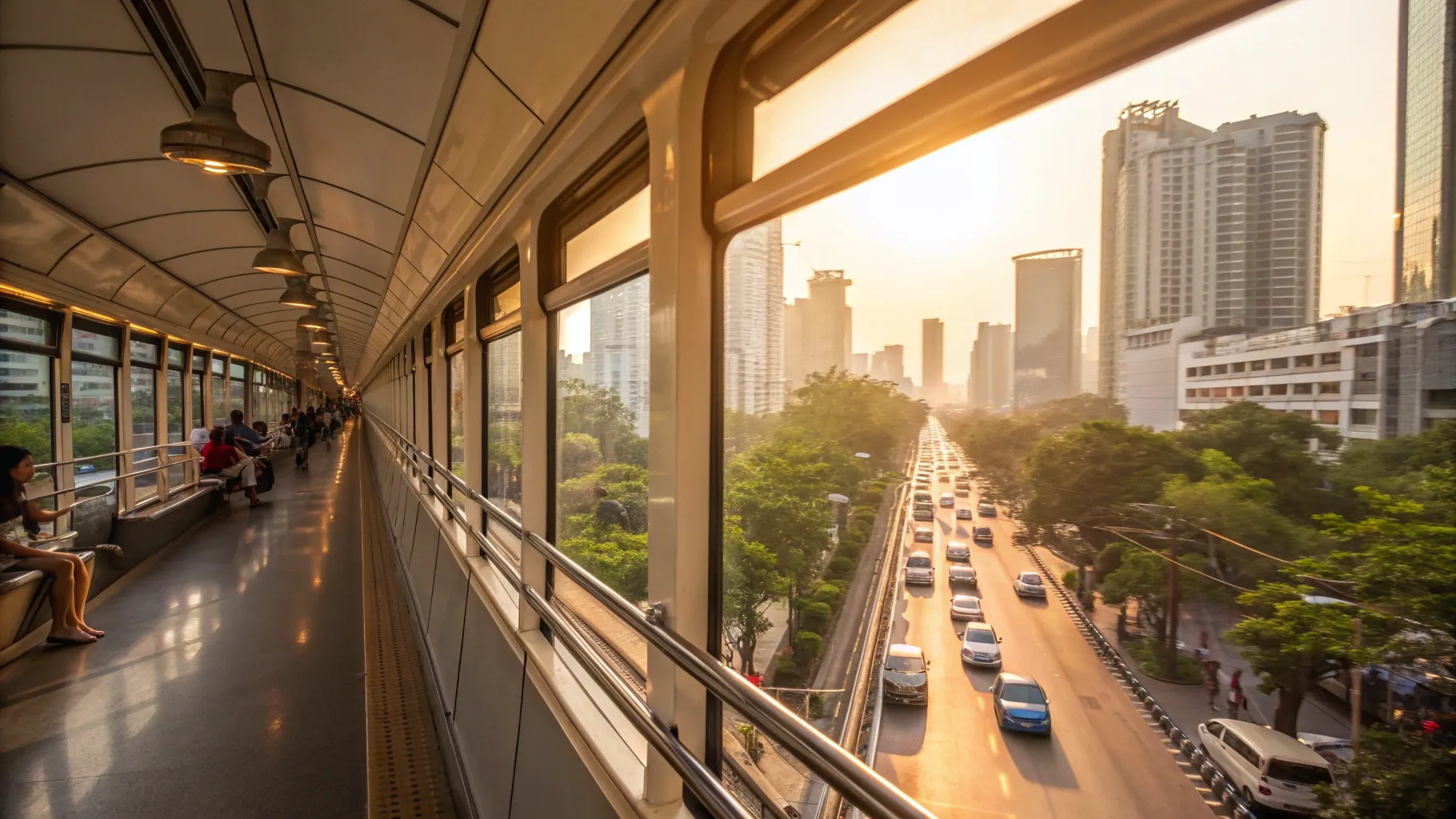
Can you introduce yourself and explain why you chose to do this particular ride skytrain from Central Ladprao to Nana?
I’m SEO Hobby Expert. I make long videos about daily life and travel in cities. I also show how people move around big places all over the world. Today, I want to talk about a simple but very useful skytrain ride that I recorded on October 5, 2025. I went from Central Ladprao, which is a shopping mall area with a BTS station, to Nana station on Sukhumvit Road.
This skytrain ride shows a route through a part of Bangkok. It starts up in a north part where people live and work, and goes down right into the center of the city on the BTS. It is a good way to see how this system works for people who live here and also for people just visiting. The trip also shows easy things to know if you want to use the skytrain in Bangkok, whether it is for work, going out shopping, or just exploring new places.
I chose to cover this ride on the skytrain on purpose. Central Ladprao is an older mall that many people know. It is close to Chatuchak Park and the weekend market. The area is popular with both locals and travelers. Nana is in the Sukhumvit corridor. This area is busy and has hotels, places to eat, and things to do at night. This trip shows that it can be easy to go from one area to another without using a car. That is the kind of thing I like to show to people who want to know how a city works.
Walk us through the beginning of the journey. Where did you start and what was the first impression before you even boarded the train?
I started my skytrain ride at Central Ladprao shopping mall. The mall is older than many of the new shopping centers in Siam or on Sukhumvit. Still, you see people from nearby coming to shop here. It’s in a good spot because you can get to the park or weekend market easily. My first thought was that this mall is a place for people living in the area. It works well and does not feel made just for tourists. The mall is close to the skytrain, so anyone who wants to see how people in Bangkok live would like coming here more than going to places made just for visitors.
From the mall, it is a short walk to the BTS station. The way the station looked and the lighting that day seemed a bit dark to me. I even talked about it while on the ride. But the important things were there, like the signs, turnstiles, ticket machines, and a map that showed the route. Before getting on, I had to buy tickets, so I spent the first few minutes trying to work out how the machines and coins worked for the fare. That is a normal and helpful part of any skytrain trip—knowing how the tickets and cards work will help make your trip easier.
What ticketing options did you encounter and how easy is it for a visitor to buy a fare?
The BTS system works by charging fares based on how far you go. At the station, you can choose between two main options. There are single trip tokens, and the Rabbit Card that you can load with money and use again. When I use the skytrain, I pick the single trip card. It is easy to use, especially for visitors who will only ride a few times.
On the day I took the trip, there were ticket machines and a window with a person at it. I used the machines first. I changed the screen to English so I could pick where I wanted to go. The machine asks you how many tokens you want. Then it shows you the total price. A small problem I had, which many travelers may get at first, is how the machine takes coins and the money it uses. The machines use regular Thai coins and paper bills. But they ask for some special amounts, like 20 baht and 10 baht coins, and bills of 20 baht or more. I put in a 20-baht bill, then I added smaller coins, because the machine needed an exact amount to give me two single-ride tickets. That’s something to remember: carry exact change or use small coins and bills.
The Rabbit Card works as a card you keep money on, and you can add more. You get to use it every time you travel. People who live in the city or come often like it, as you add money and just tap the card in and out. You do not have to wait in line for tickets. I feel that buying single journey cards can be easier when you only need a few rides. The Rabbit Card helps you when you travel a lot and sometimes lets you pay at places that take this card, but you need to buy it and add money first. If you just want one trip on the skytrain, a single journey card is fine.
Can you describe the ticket purchase process step-by-step for someone who has never used the machines before?
Yes, here is a clear step-by-step guide you can use to buy single-journey tickets for the SkyTrain before you travel:
Find the ticket machine or the window with a person to help you. Most places have both. If you don’t know where to go, talk to a staff member. They will speak basic English.
Change the machine to English if it first shows Thai. The screen has choices for languages. Picking English helps you read what you need to do.
Pick your destination station. The machines show you a map of the train lines. You then pick where you want to get off. On my trip, I picked Nana station (E3) while starting at Central Ladprao station.
Select how many ride cards you need for your trip. I wanted two cards, one for me and one for my friend, so I picked two.
Put in cash or coins. The machine takes 20 baht bills and 10 baht coins. But you might need the right amount. If you don’t have the right change, the process may feel tricky. Bring small bills and coins with you.
Get your single journey cards and any change the machine gives. After paying, the machine gives you the small cards. Keep them during your trip, because you need these at the gate when you leave the station.
This way, the ride skytrain is easy to use for first-time users, as long as you are patient with the coin machine. If you are travel with more people and will use the system more than two times in one day, then think about getting the Rabbit Card. This card can help you save time.
What is a single journey card and how is it different from the Rabbit Card?
A single journey card is a plastic token that you throw away after you use it. The BTS gives it to you for one trip. You can buy one at a machine or at a ticket window. Use it by putting it in the turnstile when you go in. Hold on to it as you travel. When you get to your stop, put the card into the exit gate and the machine will take it. This way of ticketing is great for people who do not take the BTS much. It’s good for travelers or people who will be here for a short time.
The Rabbit Card works a lot like the contactless transit cards you see in other cities. You get the card. You add money to it. Then you tap the card when you go in and out of the train or bus systems. There are some good things about the Rabbit Card, like:
Speed: You can tap-and-go. You do not have to insert and wait with single-use cards.
Easy to use: You can use the card for many trips. You do not need to stand in line for single tickets.
More uses: Sometimes, you can use the Rabbit Card to pay at shops for small things.
For visitors who know they will take many trips in one stay, the Rabbit Card helps save time and hassle. If you are only doing a few rides or just trying it out for the first time, single journey cards work well and you do not have to feel tied down. I usually recommend single journey cards to tourists taking the skytrain for the first time. They are simple to use, and you do not need to add money or give them back when the trip ends.
How did the boarding process look on the platform and on the train itself?
I saw that the signs on the platform told people which way to go and the train number. Bangkok’s BTS can be very busy. On the platform, people were lining up. When I was there, it was a Sunday at about 5 p.m. This time is often a mix. Some people are going out for the evening, and some are just done with their weekend errands.
When the train got there, I saw that there were a lot of people. A lot of us had to stand for much of the ride. Every seat was taken. People stood in ways that let everyone have some space. Getting on and off at each stop worked well. A lot of people left the train at main stops, like Siam, which is the biggest shared station, and then more people got in for the next part of the trip. I learned that if you move with the crowd and keep a little space between you and others, things go better. People in Thailand like to enter and leave the train in a tidy way. Folks around me were also helpful if I had to get by or let someone through.
What stations and landmarks did you pass during the ride skytrain?
On this trip, we went from the Lat Phrao/Central Ladprao area. This is at station N9 on the map. We went over to Nana, which is at station E3. On this ride, we passed through some of the most important parts of the BTS system. Here are a few key stops and places we saw on the way:
Chatuchak Park and the Chatuchak Weekend Market area: this spot be close to Central Ladprao. It gets a lot of people who want to shop or are from around here.
Phaya Thai area: you get many ways to move around here because it is where several lines meet. A lot of people live and work in this area and train announcements often talk about ways you can go or switch.
Siam: this part be where many of the Bangkok malls are. You will see Siam Paragon, MBK Center, and many big shopping places in this area. A lot of people use this spot to change lines or to leave the train.
Victory Monument: people use this a lot when it comes to getting around. Buses and other rides connect here, especially when people go to or from work.
Nana (Sukhumvit Road): you will find hotels, food, bars, and easy ways to get anywhere on Sukhumvit. It’s busy and always has something going on.
The trip showed us different parts of the city. You go from a mall in the neighborhood and stops near a park to a busy area full of shops. Then, you reach Sukhumvit, where there is a lot going on. This is one reason why many people like to ride the skytrain. It links places where people live, shop, and spend time, and it also helps people move around the city easily.
In the video you mentioned some announcements and crowding. How do announcements help and what should riders expect during busy times?
The BTS makes announcements often. These messages help people get ready to get off the train or know where to change trains. On the recorded ride, there were several announcements that said the name of the next station. The station names were said more than once to help riders understand. This is good for people who are not looking at the map or can't read the station signs. Sometimes, ads on the windows can block the view of the signs, which can be a problem, as I mentioned in the video.
During busy times like weekday rush hours and some weekend nights, you will see trains full of people. On this trip, there were big crowds even on a Sunday evening, and many got no seats. If you travel when it is most busy, you will likely need to stand. Hold onto handrails or the straps above, and watch your things because the people around you might push in close. A lot of people say that taking the train at times like mid-morning or mid-afternoon is easier and gives you a better ride. Even with full trains, most get on and off fast, as everyone uses the boarding lanes and leaves quickly at main stops such as Siam.
Were there accessibility or luggage considerations you observed for this particular ride skytrain?
From what I have seen, most stations have elevators and escalators. But sometimes, the elevators are not there right away and you might need to wait. If you have big bags with you, you should plan some extra time. You may have to use an elevator because you can't safely take heavy bags on the escalators safe. The train cars are made to give people space to stand and place smaller luggage, like briefcases. But if you have big luggage with wheels, it can feel tough to move in the train when it's full of people.
If you need help moving around, talk to the station staff. Bangkok’s transit team is good and will show you what to do or help you use the elevators. If you carry big bags, try to travel when there are not many people. This makes your skytrain ride better. Some stations also have long walks from platforms to exits. So, allow more time if you need to catch a bus, taxi, or another train.
How do you know which direction you’re going and how did you check the route during your ride skytrain?
The BTS map can be found inside the train cars and on the platforms at every station. Each station and train car has maps with the codes for each stop, like N9 for Lat Phrao/Central Ladprao and E3 for Nana. If you read the map and match your current and destination station codes, you can feel sure about your direction. When I rode the Skytrain, I looked at the route map to check I was going from N9 to E3.
Inside the car, there are LED counters above your head. There are also spoken messages. It is good to know which way the line goes. Trains will often show the last station on the outside. Screens inside show the next stop. On this trip, I checked the direction by looking and also watched where the train stopped as it called out the stops. If you do not know if you are going the right way, ask the person sitting next to you or the staff at the station. They are most often friendly and want to help.
What did you notice about signage and advertisements on the train?
The trains have a clear brand and show both useful signs and ads. On my skytrain ride, I noticed that some ads cover the windows. This can make it hard for people, like tourists, to look outside and see the view. It also makes it tough to spot landmarks when the sun is out. But, you can still see the station names and maps inside the train.
Other than ads, the needed signs for safety, manners, priority seats, and switching trains are easy to read. A few signs are in Thai and English, so international riders can use them. In the end, the signs help you get to your stop, even if the ads sometimes block the view.
Can you give us more context about the neighborhood environments at both ends of the trip?
On the north side, Central Ladprao and the area around it feel more like a local spot. There are small malls, places to eat, and it's close to parks like Chatuchak Park. A lot of people from the area come here to shop and hang out. Visitors also use this spot before they go to the big Chatuchak Weekend Market. This place doesn't get as many tourists as Siam or Sukhumvit, so it feels more like a true part of the city. It's got a local feel. tourist-heavy
Nana, on the other hand, is on Sukhumvit Road. It is a busy spot in the middle of Bangkok. You will see many hotels, places to eat, foods from many countries, nightclubs, and lots of street shops here. A lot of people pick Nana when they want to stay close to city offices, fun places, and transport. You can feel just how much these two areas are not the same when you take the skytrain ride. You go from a more local and simple area into the busy heart of the city.
How long did the ride take and was the estimated 50-minute travel time accurate?
The trip from Central Ladprao to Nana on that day took about 50 minutes. This matches what I said in the video. How long it takes to travel depends on a few things. You have to think about how much time you wait for trains. You also need to count how many stops there are, because some trains skip more stations. If it is crowded, it can slow down getting on and off.
If you are in a rush, plan for about the same time as above. But you should add a little extra time in case you have to wait or if you need to switch trains, especially when you go through busy places like Siam.
For most people who want to ride the skytrain in the day or at night for about the same distance, it is good to plan for about one hour. This time includes walking to and from the stations. It gives you some extra time so you do not feel rushed. If you have to be somewhere at a set time, use live maps to see updates for the train. You can also use the BTS app or a local transport app on your phone. These can give up-to-date info. That might help you save a few minutes when the trains are running slow.
What did you learn about etiquette and passenger behavior during this ride?
Riding the BTS shows a lot about how people act here. Most people stay in their own area and wait in line to get on. They also move aside so others can get out. I see they try to be polite and help others when needed. People do not have loud talks on their phones and the train stays calm. Even when the train is full, riders try to keep their own space and treat each other well.
There are seats set aside for seniors, pregnant women, and people who have disabilities. It is normal to give up these seats if they need them. When you ride skytrain, follow the local rules. Stand in line, do not block the doors, and keep your bags out of the way. This helps make the ride better for everyone.
Were there any operational or technical details worth noting for someone planning to emulate this ride?
Yes—one small technical point: ticket machines can be picky about the kind of money they take. It is good to have a mix of banknotes and coins with you. Also, keep your single journey card with you until you get to your stop. The exit gate will ask you to put in the same card, and then it will keep it. Do not throw it out just after you get on the train, because you need it to get out.
Here’s something important to keep in mind. Check if the station where you start is on the same line and going the right way for your trip. Bangkok’s transit map uses colors and station codes. If you learn to read these before you travel, it can help you feel less stressed.
When you change lines at big places like Siam, plan to spend some time for the walk between platforms. Some places need you to walk down short halls and use escalators.
How did you document the trip and what equipment did you use for filming?
For the video, I usually use small, handheld gear to stay out of the way and to show the real skytrain experience. In the metadata, I wrote that I often use things like the DJI Osmo Pocket 3 and audio gear like the DJI Mic 2. For longer rides, I like using light cameras so I can film while standing without bothering other people. For sound, a small mic helps me record messages and background noise without standing out.
When you film on public transit, you need to respect local rules and the privacy of other people. I make sure the camera does not move much. I usually film from one place that shows the inside layout and sometimes the outside way into the station if you can see it through the windows. On this trip, some windows had ads on them. It was harder to shoot things outside. But filming inside showed what the skytrain ride was like.
What practical tips would you give to anyone planning to ride skytrain in Bangkok for the first time?
Here are simple, useful tips from this ride on the skytrain and many other BTS experiences:
Carry small change and a few 20-baht notes—the ticket machines can be picky.
If you will take several trips, get a Rabbit Card. For short visits, single journey cards are fine.
Keep your single journey card with you until you leave. You need it at the gate where you finish.
If you want a seat, avoid the busiest times. Mornings and early evenings on weekdays are the most crowded.
Use station maps and codes to make sure you go the right way (for example, N9 to E3 on this trip).
Watch your bags—use elevators when you can and give yourself extra time if you bring big bags.
Follow the local manners: stand back from doors, let people get out first, and give up priority seats when you’re asked.
Download a transit map or app so you can see the live routes and ways to switch to other lines.
By following these points, you can make your trip on the SkyTrain feel smooth and easy. You will also know what to expect and feel good while you travel.
How safe is it to ride skytrain at different times of day?
Riding the BTS is safe most of the time. The stations and trains have people watching out for your safety. There are a lot of people during the day and early evening, so it can feel busy. At night, some trains and stations get quieter. If you are walking near a station late, it is good to use common street safety tips. When the trains get crowded, keep an eye on your things. Pickpocketing can happen in any big city, but it does not happen often on the BTS.
If you are worried about safety, stay in train cars with more people. Try not to go to empty spots on the platform. If you feel strange or not okay, ask for help from the station staff or police. Most travelers feel safe on the SkyTrain, especially in the day and early evening. The system looks well-run and good to use.
From a local perspective, how important is the BTS system to Bangkok’s mobility overall?
The BTS is at the center of Bangkok’s transit system. It brings busy residential areas closer to business places, shopping streets, and important cultural spots. For people who travel every day, the BTS is life-changing. They get to avoid road traffic, and they can expect travel times to mostly stay the same, even across long trips. Those who are visiting find the BTS simple to use. It connects places like Chatuchak market to the central malls and Sukhumvit so you do not have to be in heavy road traffic. Taking the skytrain let me see how the BTS joins together daily life in neighborhoods and the center of the city. A lot of people, from locals to tourists, count on it every day.
Were there any moments on the ride skytrain that stood out to you personally?
Yes. There are two things I remember most from that ride on the skytrain. First, at Siam, I saw the whole train empty out. A few minutes later, it filled up again. This showed me how the system moves people and spreads them across the city. It makes you see how good mass transit can be when everything works well.
The next thing that stood out to me was how people acted on the train. People were calm and kind. They helped each other out when there were a lot of people. I liked how there were little things people did every day while riding. These moments feel real and show how people are. When I visit and film life in the city, I look for things like this. These small moments are just as important to me as things like tickets and time schedules.
If you were to give one piece of advice to an international traveler about to ride skytrain in Bangkok for the first time, what would it be?
Learn some things about the system before you go. Try to keep an open mind with coins and ticket buying. It’s helpful to know your starting and ending stations. Bring a few small bills and coins with you. Think about if you want a single journey card or a Rabbit Card for your trip. After that, just enjoy the ride. The BTS in Bangkok lets you see the modern city and also see the life in neighborhoods, without the trouble of getting stuck in traffic on the road. A little time getting ready can make your skytrain ride feel good, and also help you make the most of your time in the city.
FAQ
How do I buy a ticket for the BTS Skytrain?
The easiest way to get a ticket is to use the ticket machines or ask at the ticket window in any station. Switch the machine to English. Pick where you want to go. Choose how many single trip cards you need. Put in cash or coins.
If you take more trips or travel often, think about getting a Rabbit Card. You can add money to it and just tap it at gates when you go.
What is the difference between a single journey card and a Rabbit Card?
A single journey card is a card that you use once for one trip. The Rabbit Card is a card you can use many times and you can put money on it. A single journey card works well if you are a tourist and only take a few rides. The Rabbit Card is good for people who use it a lot, because it saves you time and you can just tap it to get in.
Can I use credit cards at the ticket machines?
Most ticket machines take cash, like notes and coins. A few new machines and counters may let you pay with electronic ways. To be sure, bring local money. 20-baht notes and coins are often good to have and help you pay the right amount.
How long does it take to ride from Central Ladprao to Nana?
I rode the Skytrain that day. The trip took around 50 minutes. This included stopping at stations and waiting on the platforms. How long travel takes depends on how long you wait for trains and how quick everyone gets on. So, plan for about an hour to be safe.
Is the BTS crowded during weekends and evenings?
Yes, some times can be busy. Weekday rush hours and busy weekend times near shopping centers and nightlife areas are crowded. On my Sunday evening ride, the train was very full. A lot of people had to stand in many cars. If you travel when it is not busy, you will have a better and more comfortable skytrain experience.
What should I do with my single journey card after boarding?
Keep your single journey card with you until you get to your stop. You will need to put the same card in the exit gate. The machine will keep it there. Do not throw away the card after getting on, because you must use it to get out.
Are announcements in English on the BTS?
Yes, trains and stations often use signs and messages in two languages. They say names of places and where you can change trains in English. This helps people make sure they get off at the right stop when they travel on the skytrain.
Can I carry large luggage on the BTS Skytrain?
You can take your luggage with you on the train. But if you have a big suitcase, it might feel tricky, especially when the train is busy. Try to use the elevator if there is one. Give yourself more time to travel when you have big bags. A large wheeled suitcase can be hard to handle when the train is full of people during busy hours.
Is it better to buy a Rabbit Card or single journey cards?
If you want to take more than one trip or be in Bangkok for more days, a Rabbit Card is good. It helps you save time and you can add money to it when you need to. If you only visit for a short time and think you will take just one or two rides, single journey cards might be easy and cost less at first.
How do I find my station codes on the BTS map?
Station maps show station names with numbers and letters, like N9 or E3. You can spot the station code right by the station name on the map. The code helps you get on the right train and go in the right way. On my ride on the skytrain, I went from station N9 to station E3.
Are the trains safe at night?
The BTS is safe most of the time as the stations and trains are watched. In late hours, when it is more quiet, use the same safety tips you use in any city. Keep an eye on your things. Stay in train cars with more people. Ask staff for help if you need it.
Do advertisements block outside views on the train?
Some trains have ads on the windows, and these can block the view outside. This can be disappointing if you want to look at the city. It does not get in the way of travel. but you may not be able to see much scenery while you ride the skytrain.
How do interchanges like Siam work during a ride skytrain?
Siam is a main place where many people change from one line to another. Trains can get empty fast there, and then more people get on for the next part of the trip. You should give yourself time to walk between the platforms and follow the signs. These places where you change lines are easy to spot, but they can be busy when there are lots of people.
Can I get help from BTS staff if I’m confused?
Yes. There are staff at the ticket windows and on the platforms. They help with directions, questions about tickets, and any needs you have for getting around. If you do not know which train to get on or where to get off, you can ask them. Station staff give you clear help during your ride on the Skytrain.
What gear do you recommend for filming a ride skytrain?
For filming that does not bother people and is easy to do, you should use a small camera or lightweight stabilizer like the DJI Osmo Pocket series. A small lav mic or shotgun mic can help to get clear sound. Pick gear that you can carry with you easily and set up fast. This will not cause trouble for other people around you.
Is it possible to see the Chatuchak Weekend Market from Central Ladprao?
Central Ladprao is near Chatuchak Park and the weekend market. It does not take long to walk or take transport to reach the market. This market is popular in the city. A skytrain ride from Central Ladprao to areas downtown is a good way to spend your day shopping and getting to know the area.
What time of year did you record this ride skytrain and does seasonality affect travel?
I recorded this ride on the skytrain on October 5, 2025. The way people visit Bangkok changes with the season. This is mostly because of tourism and weather. When there are more tourists, there will be more people and trains can get crowded. In the rainy season, travel habits change. At this time, people often use covered transit, such as the BTS.
How does crowding vary between stops like Siam and Nana?
Siam is often very busy. The place is an important spot for changing trains and has a big mall. A lot of people get off here. Nana is also busy. It is more known for hotels and places to go out at night.
The busy times are not the same at both places. Siam is packed during the day when people shop or go to work. Nana has more people in the evenings. Many come for food and shows.
Do you recommend a particular side of the train for better views?
Window views change based on what side of the train is next to the city and if there are ads on the windows. If you want to see more, try sitting on different sides during different parts of your trip. Some windows may have ads, so you might not always get the best view. The best plan is to stay flexible. Put safety and what works best for you first when the train is crowded, instead of worrying about getting the perfect view.
Any final tips for someone planning to ride skytrain across Bangkok?
Yes—it is good to plan the way you travel before you go. You should also bring some small change. Decide if you want a Rabbit Card. If you want to be comfortable, travel when there are less people around. You can see a lot of Bangkok as you move from one part to another on the skytrain. The ride helps you see and feel how the city works while you go from place to place. It is a great way to avoid traffic problems on the road.
SEO is LIVE |
|
Check out this really cool SEO websites |
| Do NOT Click me |
Comments
Post a Comment