- Get link
- X
- Other Apps
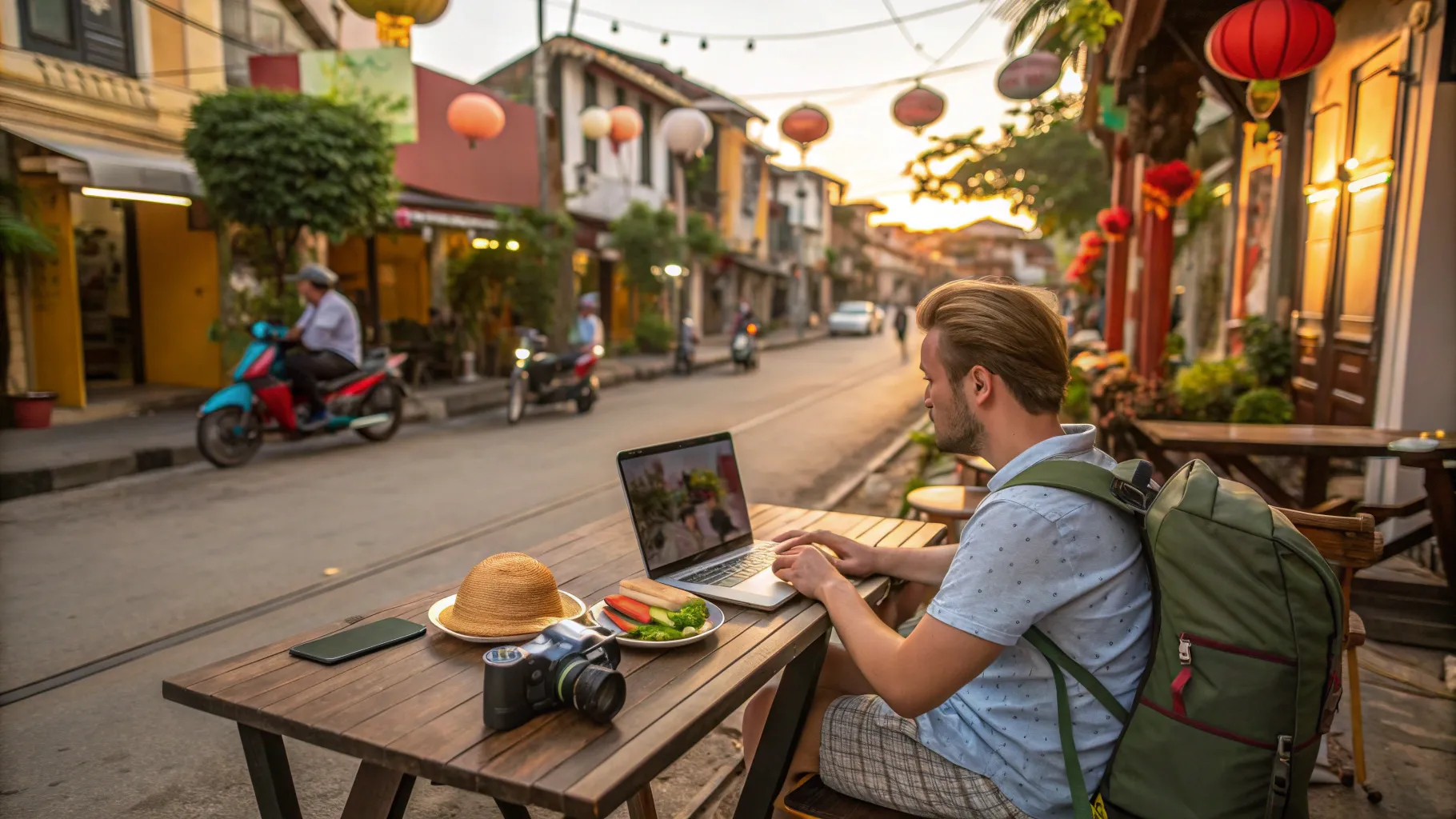
In this interview request, David Khai — a content creator and digital nomad who spent nine months Living In Vietnam — talks about what it’s like to live in two very different places. He shares the small joys of daily life and the tough parts that come with long-term travel and living far from home. We talk about airports, getting used to new cultures, coffee, family, how much things cost, and the thought process of picking this way of life. If you want to know about Living In Vietnam, or you are thinking of moving out of your country but still staying close to home, this interview gives you real, useful ideas from a person living it.
How long did you live in Vietnam, and what made you decide to move there?
I have lived in Vietnam for nine months during this time. I moved to Vietnam in February and was there for most of the year. I did not make one big choice to move. There were a lot of important and personal reasons. The cost of living here is lower. There is a lively digital scene with many people like me. I enjoy the feel of Ho Chi Minh City. I am able to make content and travel around Southeast Asia. I can also keep good habits and not spend too much.
Living in Vietnam gave me freedom with my money. I could go out, try new food, and see different cultures. I made a daily plan that works well for making things online. I wanted to feel something new—a busy city that is loud and full of energy. Inspiration is easy to find here. I feel like my work fits in the city, and I feel at home.
What was the hardest part about the transition — either moving there or returning home?
The hardest thing for me was feeling pulled between two lives. I had my life in Vietnam, and the life I left behind in Australia. When you live in Vietnam, you start to get used to things like late-night food, riding a motorbike, and a fun nightlife that keeps going. Coming back to Melbourne felt like going into a world that is more quiet and clean. That is nice, but after months of busy crowds, it also felt strange.
Saying goodbye to my family never gets easy. But being away for nine months meant I missed out on small moments at home. Dealing with the back and forth feelings — missing home but also feeling excited to come back — turned out to be the hardest thing for me to handle.
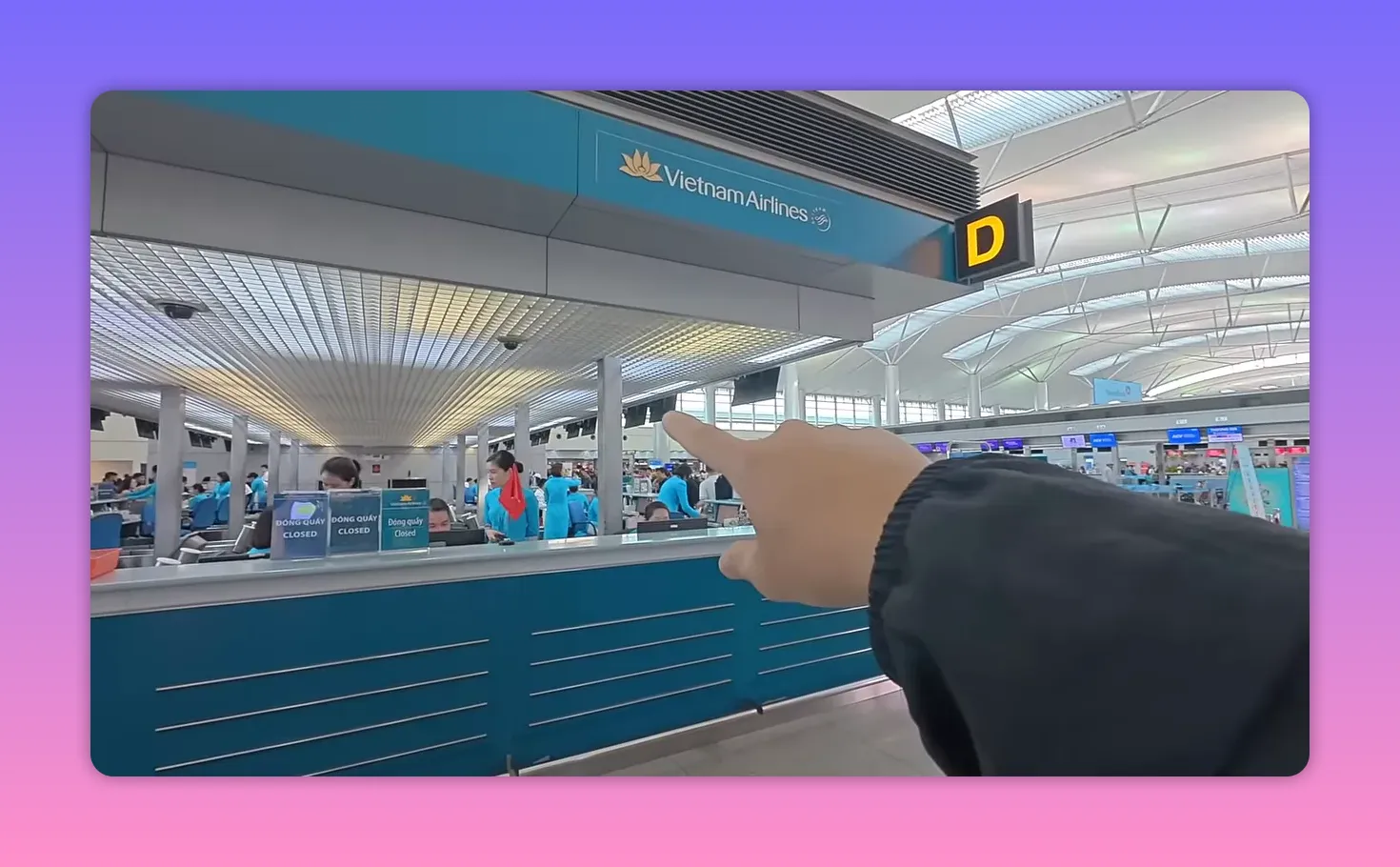
Let's talk logistics: what is the airport experience like when leaving Vietnam?
One thing I always say about Living In Vietnam is the airport process is tough. The lines to get through immigration feel unreal. I have waited in a line that went far outside the building. If you are leaving from big airports in Vietnam, plan to be there early. I usually tell people to arrive three to four hours before their international flight. Living In Vietnam gives great value and real adventure, but the airports are hard to deal with. There are checks, long lines, and the whole system feels slow compared to other places. The good news is that there is a new airport being built in Long An. It might help with the crowds and make getting to Ho Chi Minh City easier. Until that is open, plan for these long waits.

How did that journey to Australia go — any unexpected events?
I had a travel day that felt like a big story. After living in Vietnam for months, I was going to fly back to Melbourne for my mum's birthday. This made the trip feel special. The airline I was with first delayed the flights and then canceled them. I got rebooked onto another flight.
Besides these delays, there was a fire at Melbourne's international terminal. This made everyone leave the area and caused more delays. All of this showed me that, even when things feel easy while living in Vietnam, your plans can still get changed quickly.
The flight took eight hours. It went well, but what happened before and after made the trip feel tough. A trip that was supposed to be happy ended up being very long. If you live in Vietnam and want to visit home, you should give yourself extra time and get ready for things to go wrong.
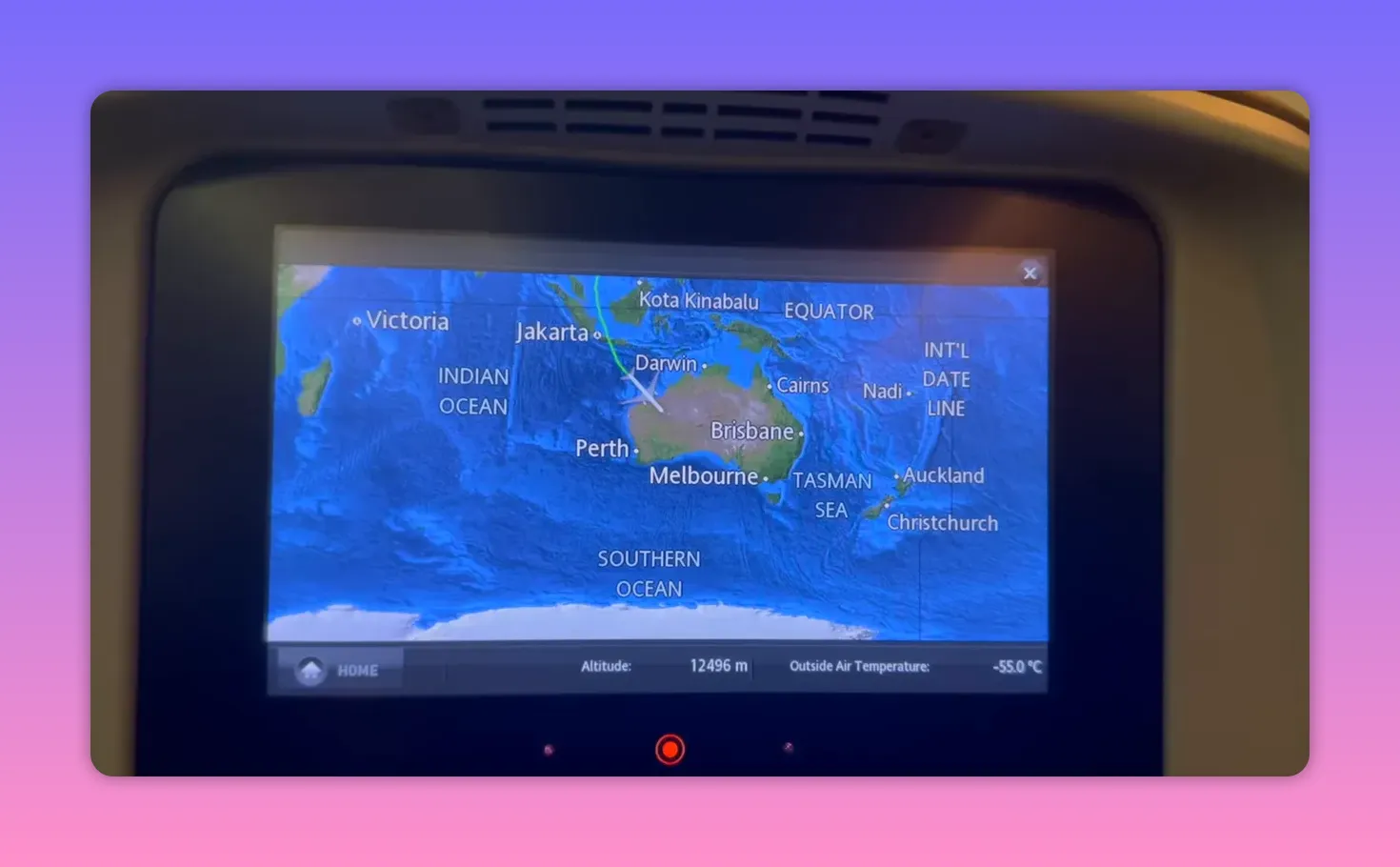
What's the in-flight experience like on long Ha Noi / Ho Chi Minh to Melbourne flights?
The eight-hour flights from Ho Chi Minh City to Melbourne are something you get used to when Living In Vietnam as an Australian expat. I always focus on what gets me through these trips. I wear comfortable clothes. I bring headphones. I try to have a plan for sleep. I feel that some airlines are risky, but the in-flight setup can be better than I hope. On this trip, things went smoother than I thought. When you are Living In Vietnam, these long flights feel normal, and you start seeing them as a way to get work done or to get some rest. I also keep a travel kit with me. It has earplugs, a good neck pillow, and some basic meds. A small delay can make the trip feel much longer, so you need these things with you.
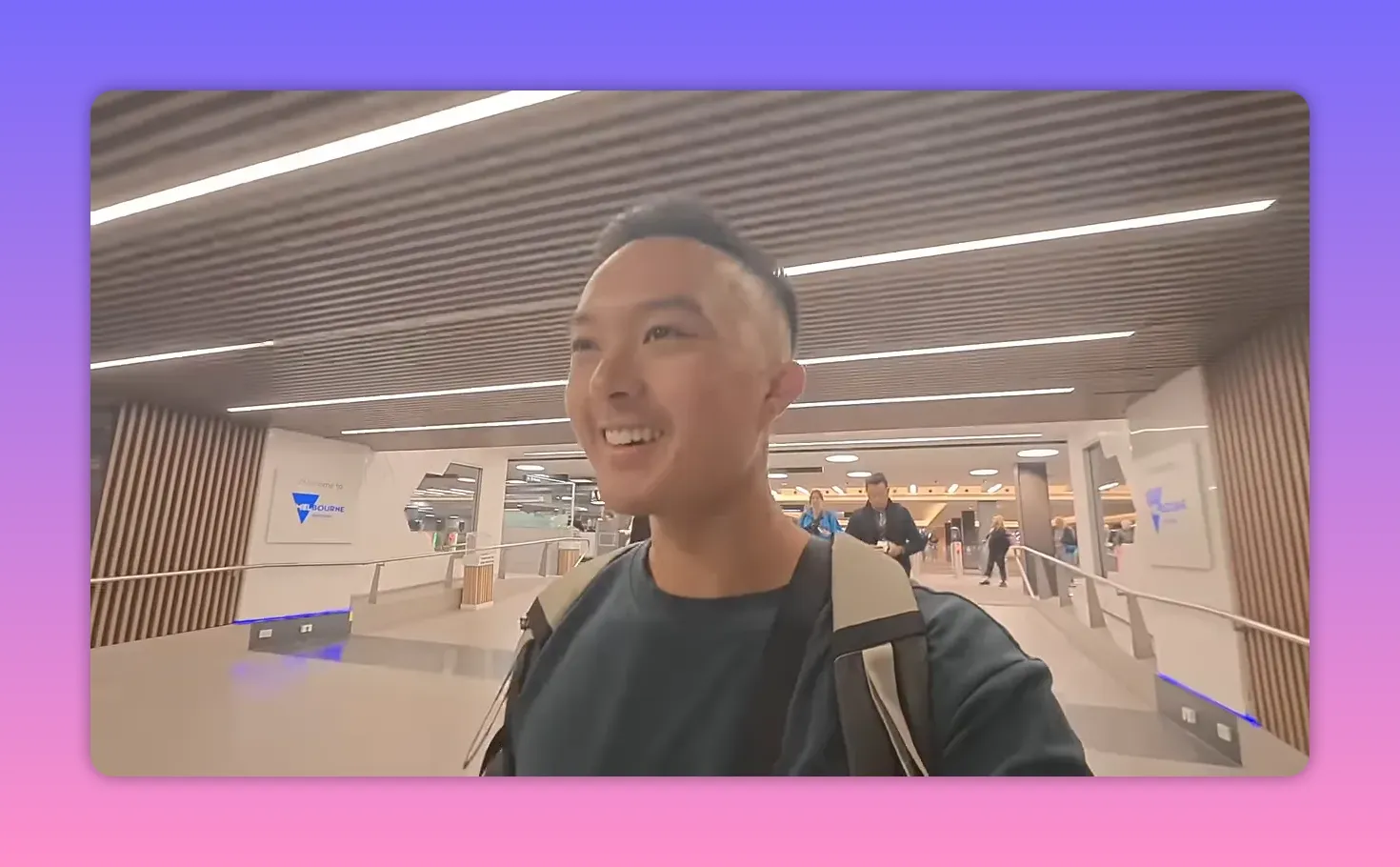
How did arriving in Melbourne feel after Living In Vietnam for so long?
Landing in Melbourne felt like walking into a place that was slower and cleaner. There is a new way of doing things here — smart immigration technology scans your face and you just walk right in. The open feel was something I had missed while living in Vietnam. The breeze was cold and the fresh air made me feel good right away. After spending months in Vietnam, the peace felt special and new. Right away, I saw simple things that made life nice: good tap water I could drink without worry, sidewalks that were wider, and the calm feel of the suburbs. All these little things make a big difference and are part of why I still come back to Australia, even though I love living in Vietnam.
Family visits are clearly important — how did you spend your time with family?
My trip was centered around my mum's birthday, which made the time home especially meaningful. After Living In Vietnam for nine months, the real joy was the small rituals: a home-cooked meal, a backyard coffee in the sun, putting up the Christmas tree with nieces and nephews, and those little conversations you miss while abroad. I love Living In Vietnam, but family ties are the tether that pull me back. The best parts of coming home were simple — steak at the table, a cake for mum, and watching the kids grow. These moments reminded me that no matter how much I love Living In Vietnam, I don't want to miss the milestones at home.

How do the everyday comforts at home compare to life abroad?
When you live in Vietnam, you give up some comforts for more excitement and lower costs. Back home in Melbourne, I have a backyard to enjoy the morning sun, big rooms, and I can walk to parks and on calm streets. The difference is easy to see. In Vietnam, apartments are smaller, it gets hot early in the day, and the city is always busy. At home, I like to relax in my backyard, feel the cool air, and use water from the tap without worry. You don’t really notice these small joy until you live in Vietnam and then go back. To me, both places have something special. At home I get comfort and space, but Living In Vietnam gives me life and a way that works well in busy places.
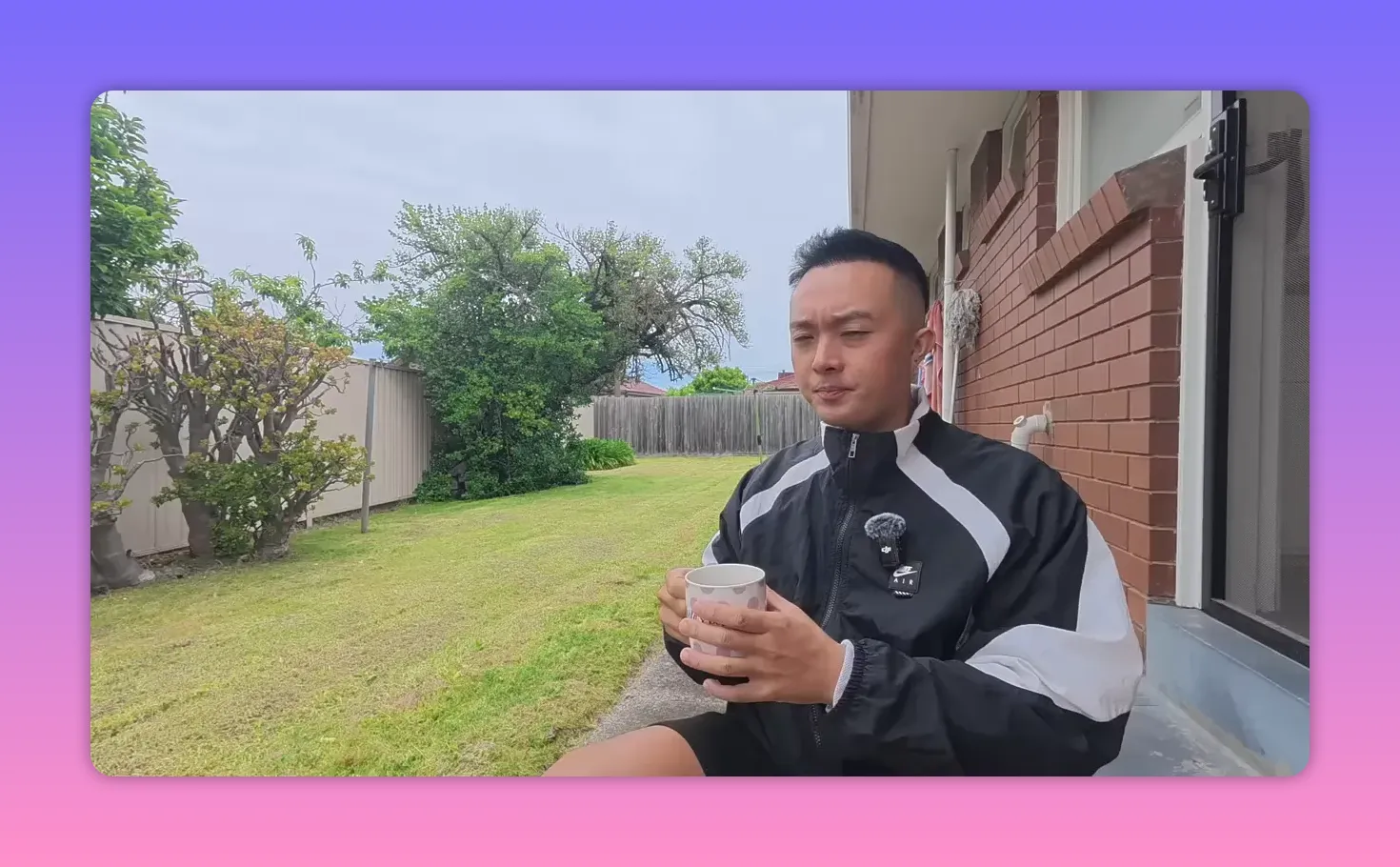
One of your recurring themes is coffee. How does coffee in Australia measure up after Living In Vietnam?
Coffee can really feel special when you are Living In Vietnam. Vietnamese coffee is very strong and sweet because it uses condensed milk or sometimes has chocolate flavors. It is easy to get hooked on it. When I come back to Australia, I find cafe coffee tastes great. There is a catch though. A person will have to drive to get to the best cafes in the suburbs. In Australia, I once made Vietnamese-style phin coffee in my mum's kitchen. After you’ve lived in Vietnam, you feel the need for that taste every day. Making phin at home is a way to feel closer to a place. Food and drink can help us feel that we belong somewhere. So, even if Australia has great lattes, the little practice of Living In Vietnam—like sitting outside on the street with a slowly dripping phin—is something I miss a lot.
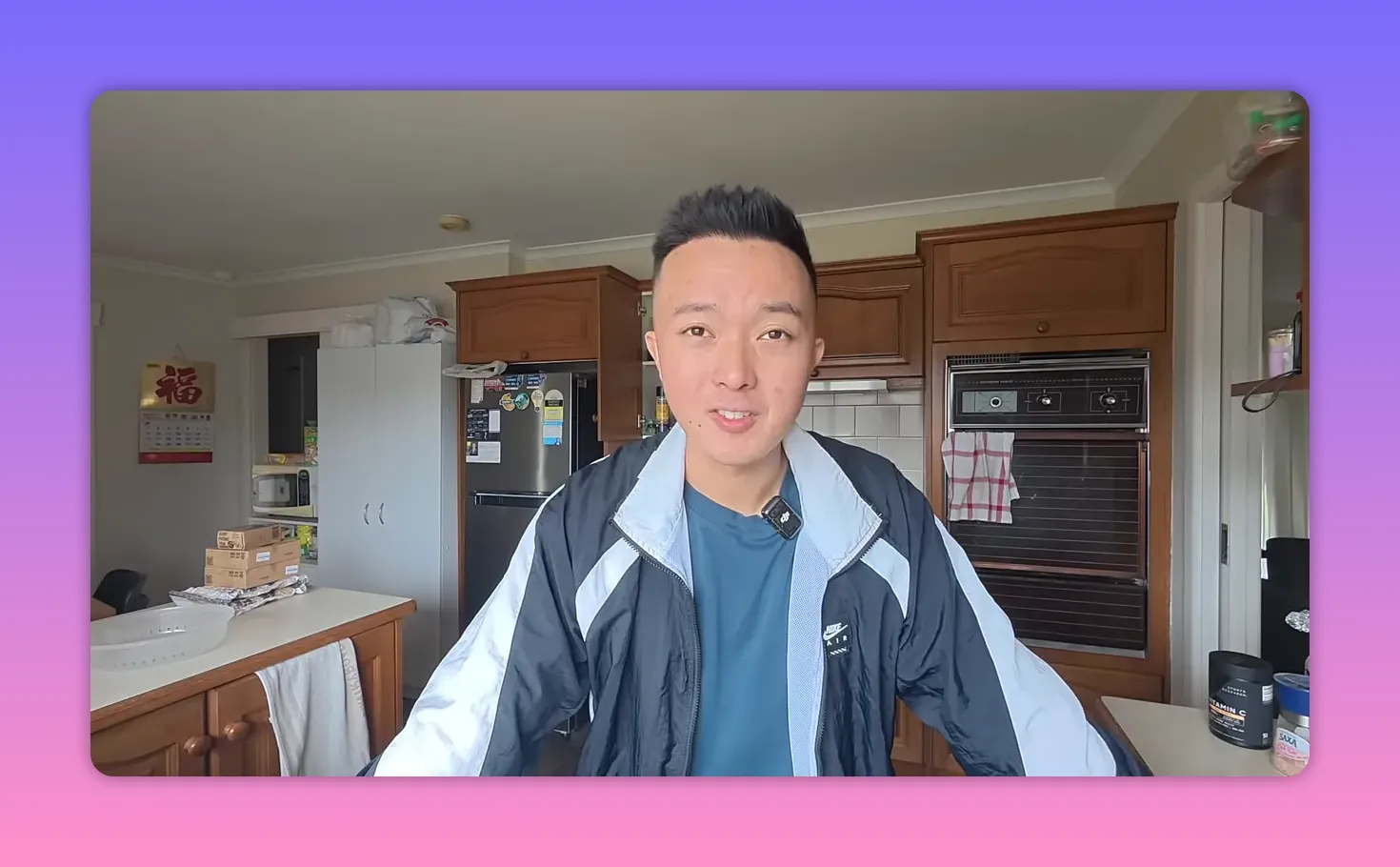
What about cost of living — how does it influence your choices between Melbourne and Vietnam?
The cost of living is one of the main reasons that many people think about Living In Vietnam. In Australia, it is hard to make your pay go as far as it once did. My job lets me work from any place, so it is good for me to stay where my money can do more for me. In Melbourne, it now costs more to buy things like food, pay rent, and cover daily needs. Even items like eggs and other basic things are almost twice as much as they were at the start of the year. When you're Living In Vietnam, your money can get you better places to stay, let you eat out often, and help you travel more. That is why many digital nomads want to go there. I feel pulled to stay close to my family and friends in Australia, but I also look at the money I save by Living In Vietnam. I still visit home often, but most of my life and my work as a content creator are in Southeast Asia. That way, I get to live in comfort and use my money for new things I want to try.
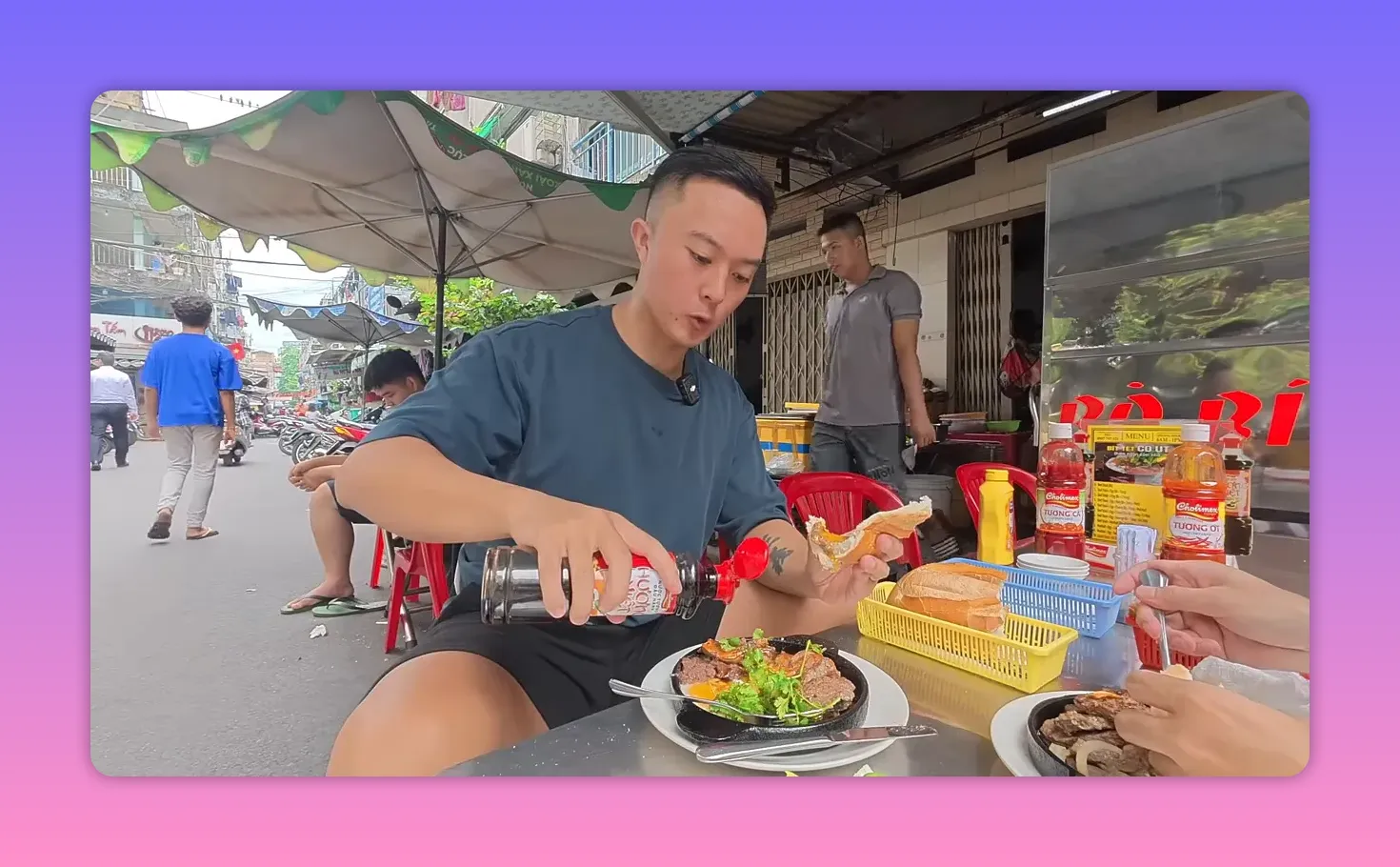
How do nightlife and social life compare between the two places?
Nightlife is another thing I really like about Living In Vietnam. In Ho Chi Minh City, the city stays awake through the night. You will find rooftop bars, street food, and cafes that stay open until late. You can get on a motorbike and check out a new place any time. Melbourne is quieter. Most restaurants and shops close early during the week, and people there take things slow. If you are Living In Vietnam and want a fun night out, you can meet people without much planning. Still, Melbourne gives you other good things. You get safer late-night walks and streets that feel calm. Both cities offer something, but if you want a busy social scene, Living In Vietnam is the choice.
As a digital nomad, how did you balance work and family time during your visit?
Balancing work while Living In Vietnam and visiting home requires planning. I prioritize family time during short trips home — I set expectations that certain days are offline — but I also keep small windows for synchronous meetings and content work. When you're Living In Vietnam, the time zone difference matters: I schedule calls when it’s least disruptive for family, and batch content creation around visits. Being candid with clients helps: they understand I’m location-independent. The key lesson from Living In Vietnam is to be intentional: block family days, batch tasks earlier in the week, and use travel days as deep work time when possible.
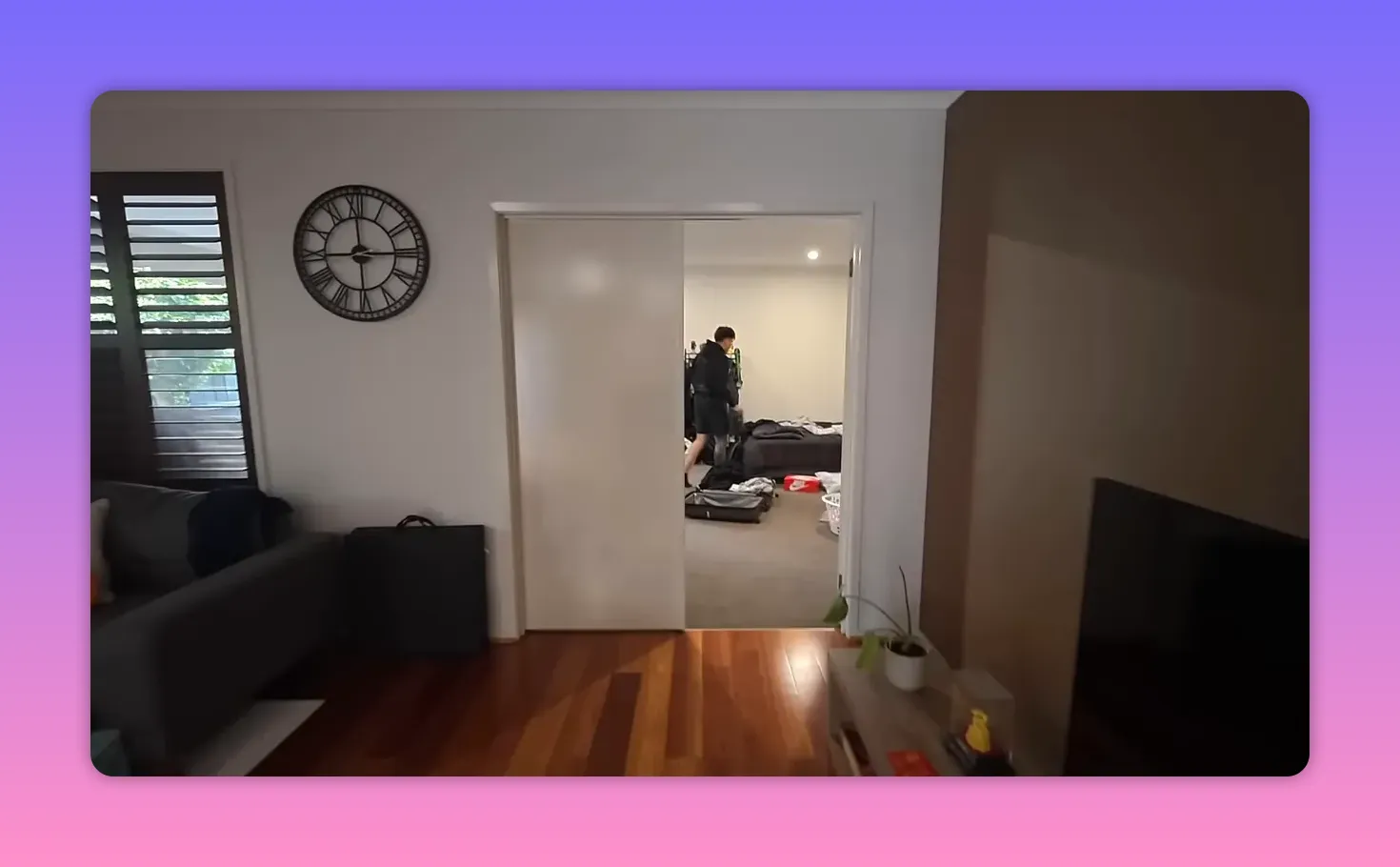
What practical advice would you give someone considering Living In Vietnam for several months or more?
If you're thinking about Living In Vietnam, plan around three practical pillars: logistics, social integration, and health preparedness. First, logistics: book flights with buffer time, expect airport delays and long queues, and secure good travel insurance. Second, social integration: learn basic Vietnamese phrases, connect with local expat communities, and embrace the motorbike culture if you're comfortable. Third, health: make sure you understand local healthcare options, pack any necessary medication, and prepare for allergies when you return home — I always get a croaky voice and allergies when I come back to Melbourne because my body adjusts to Living In Vietnam’s climate. Also, research visa requirements and banking options. Living In Vietnam is an incredible experience, but planning makes it sustainable.

How do you manage homesickness and staying connected to family while Living In Vietnam?
Homesickness is real. I handle it by making small routines that link the two places. I set up weekly video calls, send out photos of my day, and bring some small gifts or local snacks home whenever I can visit. When I’m living in Vietnam, I plan for special days like birthdays, anniversaries, and holidays. These small routines help keep my ties with others strong. I also spend time with friends doing simple things or follow local habits. These help me feel like I belong and not just passing by. Living in Vietnam is exciting, but to feel grounded, I must make strong connections with people there. In the end, I keep in mind the reason I picked this way of life: to have fewer regrets later and take on new moments right now — this mindset helps, especially when my family is not close by.
What does “no regrets” mean to you after this period of living abroad?
No regrets means making choices that feel true to what you believe in. You need to know that with every choice, there are things you give up. After living in Vietnam for nine months, I saw that I don't want to get to the end of my life and wonder "what if." I want to try new things around the world while I still can. I want to make friends in many places. I also want to use what I learn to build a career and a life I like. That does not mean that I think family is not important. I still visit them, put my heart into the time I spend, and then go back to the life that helps me grow. If you are thinking about living in Vietnam or moving somewhere for a long time, look at the emotional costs for you. But do not let fear stop you in your tracks. The only kind of regret that matters to me is not giving it a try.
Looking forward: do you see yourself returning to Melbourne or staying mainly in Southeast Asia?
My plan can change. I love Melbourne because my family is there, and it feels like home. At the same time, Living In Vietnam works well for the things I do every day. Right now, I want to spend most of the year in Southeast Asia. I will go back to Melbourne for things like birthdays, festivals, and visits with family. A good way for me is to spend some months at home, some months Living In Vietnam, and travel now and then. Working online lets me make the balance I need. I want to keep both choices open so I can move between places when family or work changes.
What are three quick, practical tips for someone planning to start Living In Vietnam?
1) Pack patience and flexibility — bureaucracy and logistics often take longer than you expect. 2) Budget for travel and healthcare — get travel insurance and understand local healthcare facilities. 3) Embrace mobility — learn to use motorbikes and local apps for food and transport to really experience the city. Those three small habits make the leap to Living In Vietnam smoother and much more rewarding.

Table of Contents for Australian Digital Nomad
Australian Digital Nomad FAQ
How long is the flight from Ho Chi Minh City to Melbourne?
Direct flights are typically around eight hours. If you're Living In Vietnam and planning trips home, expect travel days to extend due to airport queues, possible delays, and transfer times.
Is it expensive to live in Vietnam compared to Australia?
No — Vietnam is generally much cheaper. Many digital nomads choose Living In Vietnam because daily costs, rent, and food are significantly lower than in Australia, allowing a more comfortable lifestyle on the same income.
Are airport delays common when leaving Vietnam?
Long lines at immigration and security can be common at major Vietnamese airports. When Living In Vietnam, it’s smart to arrive three to four hours before international flights.
How does healthcare compare between Vietnam and Australia?
Australia has a more comprehensive public healthcare system; Vietnam has capable private healthcare centers in major cities but you should have insurance and be prepared to use private hospitals for higher-quality care while Living In Vietnam.
Can you work remotely easily while Living In Vietnam?
Yes — many digital nomads live in cities like Ho Chi Minh City and Hanoi because of reliable co-working spaces, cafes, and fast internet. Living In Vietnam is well-suited for remote work if you manage visas and local logistics.
Final Thoughts for the Australian Digital Nomad
Living in Vietnam changed how I see what matters in life. Now, I don’t just look at pay. I also think about my time, what I feel, and how much I can handle. The country gives you a life that is full of energy and inspiration, and it does not cost much to live there. But you need to be able to adjust to new ways, from getting around to finding healthcare and going from place to place. My trip back to Melbourne showed me why I feel both places are important. In Vietnam, you get freedom, new ideas, and life that does not cost too much. In Australia, you feel close to family and steady, and find the little things that help you feel good. If you are thinking of living in Vietnam, here’s a simple tip—plan well, keep up with what is important to you, and feel the freedom that comes when you set your mind to give up some things to get others.
“No regrets, just moving forward.” — David Khai
SEO is LIVE
Check out this really cool SEO websites
Do NOT Click me
This article was created from the video Returning to Australia After 9 Months in Vietnam with the help of aweosme AI.
Comments
Post a Comment