- Get link
- X
- Other Apps
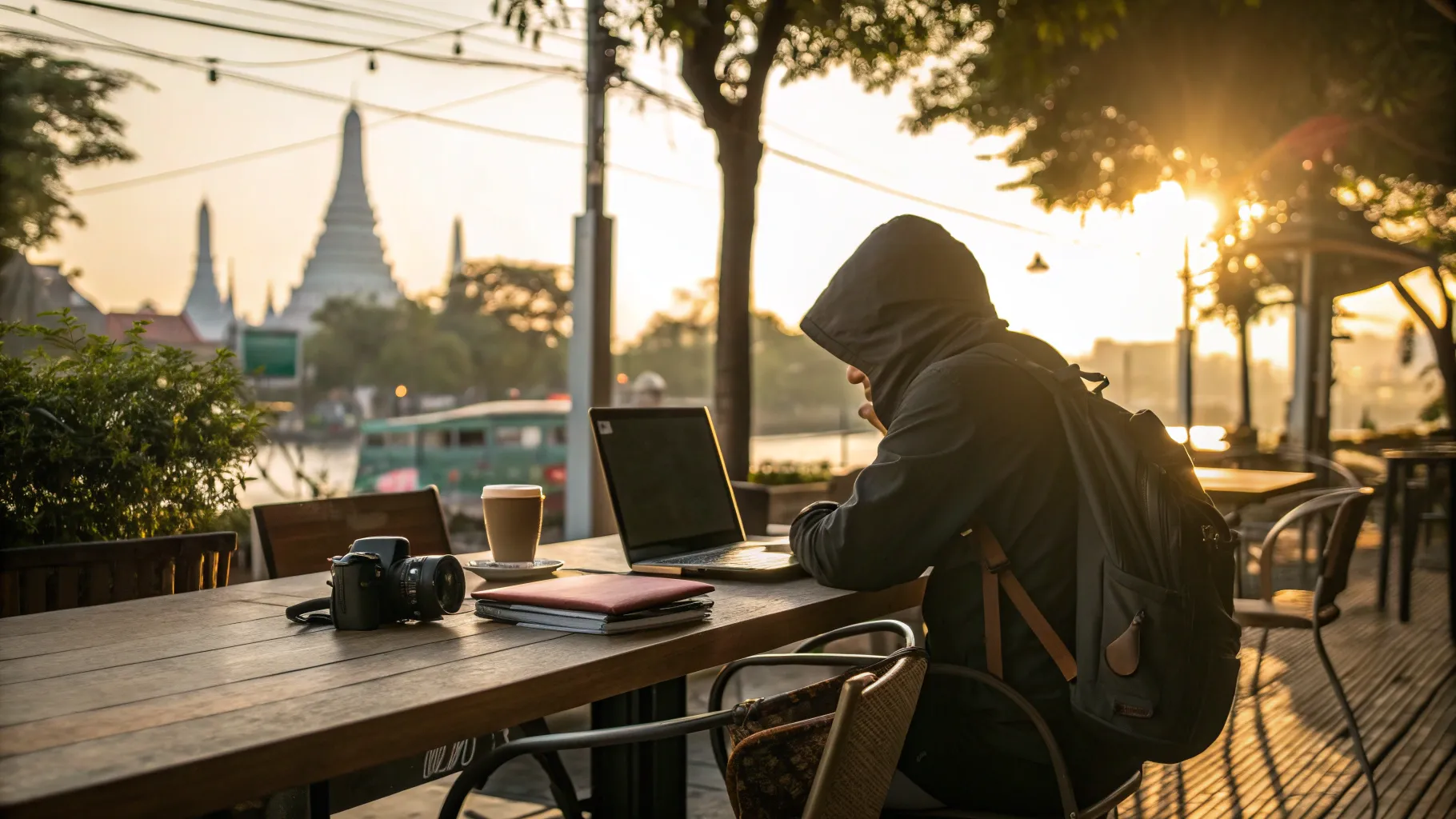
Solo Living In Thailand is more than a headline—it's a way of designing a creative life, testing routines, and learning how work and travel can coexist. In this interview-style feature, SEO Consultant, a creator living and working in Thailand, walks through a week in Chiang Mai and Bangkok: early sunrises, coffee-fuelled edits, unexpected collaborations, and practical lessons for anyone interested in solo living in Thailand as a digital nomad or aspiring content creator. Whether you are curious about the daily logistics of solo living in Thailand, want candid advice about creating consistently, or are considering moving abroad as a digital nomad or digi nomad, this conversation covers the mindset and the mechanics you need.
Can you introduce yourself and explain what drew you to solo living in Thailand?
My name is SEO Consultant. I'm a creator who left Australia, spent time in Bangkok, and now calls Chiang Mai home while regularly travelling for projects. Solo living in Thailand appealed because it offered a blend of low-cost living, a welcoming creative scene, and an environment that encourages experimentation. Thailand has the infrastructure to support a creative lifestyle—cafés with great coffee, fast internet, affordable housing, and a landscape that feeds visual storytelling. For someone who wants to live solo yet remain connected to a global audience and creative peers, solo living in Thailand is practical and inspiring.
Walk us through a typical week—what does your routine look like when living solo in Thailand?
A typical week blends deliberate routines with flexible pockets for spontaneous work. I wake early—sometimes as early as 4 a.m.—to drive up to Dois Sutepe for sunrise. Watching the city wake up becomes a reminder of why I chose solo living in Thailand: moments of quiet that contrast with busy working days. Mornings often include coffee at a favourite cafe, editing or scripting blocks, and errands like assembling furniture or waiting for parcels for my condo. Afternoons are for meetings, Muay Thai training, or co-working sessions. Occasionally I fly to Bangkok for in-person brainstorms or shoots. Even when away from Chiang Mai, the structure I build—early mornings, focused editing sessions, regular journaling—helps me stay productive. Solo living in Thailand encourages a rhythm where intentional mornings and flexible afternoons coexist.
How do you balance creative work with everyday life when you're living alone?
Balance is less about equal time and more about clear priorities. For me, creating is the central activity—editing, filming, and planning make up roughly three-quarters of my workweek, with the rest split between logistics and life admin. Practical steps that help: set dedicated editing blocks, batch errands, and use rituals to separate work from rest. For instance, I build a morning ritual around sunrise and coffee to anchor the day. When I need to move cities—like a flight to Bangkok—I finish client edits beforehand to avoid disruption. Solo living in Thailand lets you design these rituals, but it also demands discipline: the freedom to work anywhere is double-edged, so structure is the antidote to chaos.
You mention community a lot. How has making content changed your social and professional life?
Making content has been the single most transformative decision I’ve made in the past year. The act of publishing videos led to real relationships: collaborators, friends, and paid opportunities that didn't exist before. People reach out because they resonate with the work and the way I approach projects. That leads to in-person meetups, brainstorm sessions, and even trips where creators fly me to their location to collaborate. For anyone doing solo living in Thailand, community matters: it’s the difference between being isolated and feeling part of a network. Creating content attracts like-minded people—other creators, brands, and viewers who become colleagues or friends. Sharing your creative life publicly is a way to build community intentionally rather than waiting for chance encounters.
What practical challenges should someone expect when setting up a life in Chiang Mai or Thailand in general?
Expect logistics—and learn to embrace them. Housing setup often involves ordering bits and pieces online and assembling them at home. I had parcels arriving with shelving and decorations; flat-pack furniture is part of the routine. Internet is generally reliable in Chiang Mai, but plan for occasional tech hiccups. Heat and humidity are constant factors—cafés with air conditioning become work sanctuaries. Visas and local bureaucracy require attention if you plan to stay long-term. Transport is easy and affordable, but you'll still have to learn local norms like bargaining at street stalls. Solo living in Thailand requires practical problem-solving: get comfortable ordering things online, adapting living space incrementally, and accepting that not everything will be perfect out of the box.
How do you manage client work alongside travel and personal projects?
Managing client work while moving between cities comes down to prioritisation and honest communication. I intentionally cut back on some clients to make room for travel and personal projects; quality over quantity matters. When a high-priority client needs something, I block time—sometimes working late into the night—to finish edits before a trip. Packing and travel logistics are scheduled around deadlines. If you plan to do solo living in Thailand as a digital nomad, create buffer windows in your calendar, communicate turnaround expectations, and avoid last-minute shoots on the morning of a flight. That said, flexibility is a strength: living in Thailand allows a hybrid model where in-person sessions and remote work coexist.
What does your creative process look like—how do you decide what to film or make?
My creative process blends instinct with simple frameworks. I capture scenes that feel cinematic—a sunrise at Dois Sutepe, a cool cafe discovery, or a day of meetings in Bangkok—and then shape those moments into a narrative about life as a creator. I record rough voiceovers and thoughts, then edit with an ear for pacing and emotion. Journaling helps seed content ideas; short notes or reflections often become themes for videos. I also keep a running list of potential collaborations and local spots I want to spotlight. When you're doing solo living in Thailand, your surroundings are both subject and inspiration—use them intentionally rather than forcing content.
Tell us about setbacks and mistakes—what have you learned the hard way?
Small mistakes are inevitable and often funny in hindsight: a camera mic left off during a key cafe segment, cutting your finger assembling a shoe rack, or clashing frame rates causing flicker in footage under certain lights. Bigger lessons are about boundaries and client selection. I learned that saying no is essential; fewer clients with alignment are better than many mismatched requests. Another lesson: check gear before recording. I once discovered the DJI mic had turned off, and I had to improvise with a voiceover, turning a potential loss into a creative workaround. Solo living in Thailand rewards adaptability—expect hiccups but treat them as creative constraints rather than catastrophes.
How do you avoid burnout while keeping momentum as a creator and digital nomad?
Burnout is real, especially when the line between work and life dissolves. My anti-burnout tools include journaling, Muay Thai training, early mornings, and deliberate pauses. Journaling provides a check-in to notice when the appetite for more turns into anxiety. Physical movement—training at a Muay Thai gym a few times a week—grounds me and forces an end to work sessions. I also intentionally schedule unstructured time: walks, cafe mornings without recording, and low-pressure creative experiments. Solo living in Thailand amplifies these practices because the environment can either fuel or erode balance; choose activities that replenish you.
What gear and setup do you rely on while living and creating in Thailand?
My core setup is deliberately simple and mobile. I use the Sony A7C II with a Sony G Master 24mm f/1.4 lens for the cinematic look I prefer. Lightweight kit matters when you travel between Chiang Mai and Bangkok. Good audio—lavalier mics or a reliable portable recorder—is essential; bad audio ruins footage faster than poor visuals. For editing, a laptop with a calibrated workflow and reliable backups keeps me productive. While the gear is important, the creative habits matter more: consistent shooting, regular backups to cloud storage, and simple camera setups that allow for spontaneous captures. As an SEO expert or a creator thinking like an SEO expert, documenting your process and optimising content metadata can extend reach beyond the platform.
What role does community play for you, and how do you build it as a digi nomad?
Community is the multiplier that turns solo living in Thailand into a sustainable creative career. I build community by being visible: publishing videos, attending meetups, and accepting invitations to collaborate. Sometimes that means flying to Bangkok for a brainstorm, other times it's a coffee with an instructor from Muay Thai who asked to connect after discovering my work. Online presence is the gateway—people reach out because they resonate—and in-person meetings deepen those connections. For digi nomads, local coworking spaces, creative events, and casual cafe conversations are gateways to meaningful partnerships. Being approachable and consistent matters more than being the most technically skilled person in the room.
What advice would you give someone considering solo living in Thailand and starting a creative practice?
Start small and publish often. The single best advice I can give is to begin creating publicly—even imperfect content informs your growth and attracts people. Solo living in Thailand provides a rich backdrop for stories, but the platform is secondary to the practice. Learn to enjoy documentation: capture the sunrise, the coffee rituals, and the odd moments of domestic life. Prioritise community: meet local creators, train or join classes, and take part in discussions. Treat client work carefully: pick partners who respect your time and support your creative trajectory. Finally, build resilient habits—journaling, early mornings, and regular exercise—to preserve energy for the long haul.
How do you see your life evolving over the next year while you continue solo living in Thailand?
I expect incremental change: more collaborations, a few larger projects, and deeper roots in Chiang Mai while still travelling to Bangkok for specific opportunities. The goal is to refine what works—what routines fuel my creativity and what partnerships genuinely move the needle. I want to produce work that feels honest, collaborate with creators whose processes I admire, and continue using content to document the journey. Solo living in Thailand will likely remain central because it supports a balanced, affordable creative life. As an SEO expert in mindset, I’ll also be paying attention to discoverability—optimising content so these stories reach the right people.
Table of Contents for Solo Living in Thailand
Key practical tips for Solo Living In Thailand
Below are pragmatic actions distilled from a week in Chiang Mai and short trips to Bangkok. These are the habits and recommendations I return to when someone asks for quick guidance on solo living in Thailand.
- Ritualise your mornings: sunrise, coffee, 30 minutes of planning. This anchors a creative day.
- Keep gear minimal and reliable: a compact camera body, one versatile lens, and solid audio gear.
- Batch admin and errands: assemble furniture, handle parcel deliveries, and set calendar buffers for travel days.
- Build a local network: attend meetups, join gyms or Muay Thai classes, and connect with other creators.
- Protect your time: prioritise quality clients and be honest about availability when travelling.
- Journal regularly: a short daily check-in improves clarity and creative flow.
- Embrace adaptation: technical glitches or small setbacks are part of the process—learn to pivot.
Resources and Mindset for Solo Living in Thailand
Solo living in Thailand is as much about mindset as it is about logistics. The environment gives you freedom, but freedom requires responsibility. Think like a creator and a small business: document your progress, maintain backups, and treat content as a portfolio that attracts collaborators. If you identify as a digital nomad or digi nomad, commit to both craft and relationships. If you use your content strategically and treat discoverability seriously—applying SEO basics even to personal work—you can amplify your impact. As an SEO expert would advise: optimise titles, captions, and metadata so your stories are findable beyond the immediate platform.
“Tomorrow is not promised, so enjoy the now.” SEO HOBBY EXPERT
Frequently Asked Questions About Solo Living In Thailand
Is Chiang Mai a good base for solo living in Thailand?
Yes. Chiang Mai combines affordability, a strong cafe culture, reliable internet, and a growing creative community. It’s an excellent base for solo living in Thailand if you value balance between work and a slower pace of life than Bangkok. The city supports both long-term residency and a flexible digital nomad lifestyle.
How much does it cost to live solo in Thailand as a digital nomad?
Costs vary by lifestyle, but Chiang Mai is generally low-cost compared to Western cities. Budget for rent, food, co-working or cafe expenses, transport, and visa costs. If you maintain a modest lifestyle—local meals, mid-range housing, and sensible gear—you can live comfortably while still investing in creative tools and collaborations.
Do I need to speak Thai to live in Thailand?
No, but learning basic Thai phrases helps with daily life and builds goodwill. English is common in tourist areas and among many service providers, but making an effort with local language opens doors socially and practically.
What are the must-have items for a creator moving to Thailand?
A reliable laptop, a compact camera (like the Sony A7C II), at least one fast lens, quality audio gear, portable backups, and local SIM/data plans. Comfortable clothing for tropical weather and a basic toolkit for small home projects are also useful.
Can I build a career while solo living in Thailand?
Absolutely. Many creators and entrepreneurs build sustainable careers from Thailand. Focus on consistent content, community building, and selecting clients or projects that align with your creative goals. Treat your content as both creative expression and professional portfolio—then market it thoughtfully with basic SEO techniques.
How do you manage visas and legal status while living in Thailand?
Visa rules change, so consult official sources and local immigration experts. Many creators use tourist visas, education visas, or business-related visas depending on their plans. Plan ahead, keep documentation organised, and budget for occasional visa runs or legal assistance.
Is it easy to find community and collaborators in Thailand?
Yes. Cities like Chiang Mai and Bangkok have active creator communities, co-working spaces, and informal meetup scenes. Publishing your work attracts people who want to collaborate. If you attend local events and stay visible online, meeting creatives and potential collaborators becomes much easier.
What’s one piece of advice you’d give someone starting out?
Start creating and publish consistently. Don’t wait for perfect gear or the ‘right’ moment. Solo living in Thailand offers endless material for storytelling; use it to practice and to connect with others. Over time, the small, consistent actions compound into real opportunities.
Further resources & checklist
Below are compact, actionable items to append to the guide—useful for readers planning solo living in Thailand, and ready to be enhanced with links when available.
Quick checklist
- Confirm visa type and duration
- Buy local SIM with data plan
- Book short-term accommodation for the first week
- Test internet at your apartment before committing long-term
- Set calendar buffers around travel and client deadlines
Gear checklist for creators
- Reliable laptop with backups
- Compact camera body + one versatile lens
- Quality lavalier or portable recorder
- Portable SSDs and cloud backups
- Basic toolkit for flat-pack furniture and small repairs
Visas & administration
- Research visa options and official requirements
- Keep digital and physical copies of important docs
- Budget for visa fees and possible extensions
- Find a local immigration advisor if staying long-term
Community & networking
- Join coworking spaces and attend local meetups
- Publish work consistently to attract collaborators
- Try local classes (e.g., Muay Thai) to meet people offline
- Keep a short list of creators and venues to follow up with
When to add links
This section is designed to accept curated links: visa resources, recommended coworking spaces, reliable local SIM providers, gear retailers, and community groups. If you provide a list of URLs, they can be embedded into the checklist above (1–3 word anchor text) at relevant items such as visa, SIM, coworking, or gear.
Want me to insert specific links? Provide the URLs and I will place them into 1–3 word anchors within the article or the checklist above.
SEO is LIVE |
|
Check out this really cool SEO websites |
| Do NOT Click me |
Comments
Post a Comment