- Get link
- X
- Other Apps
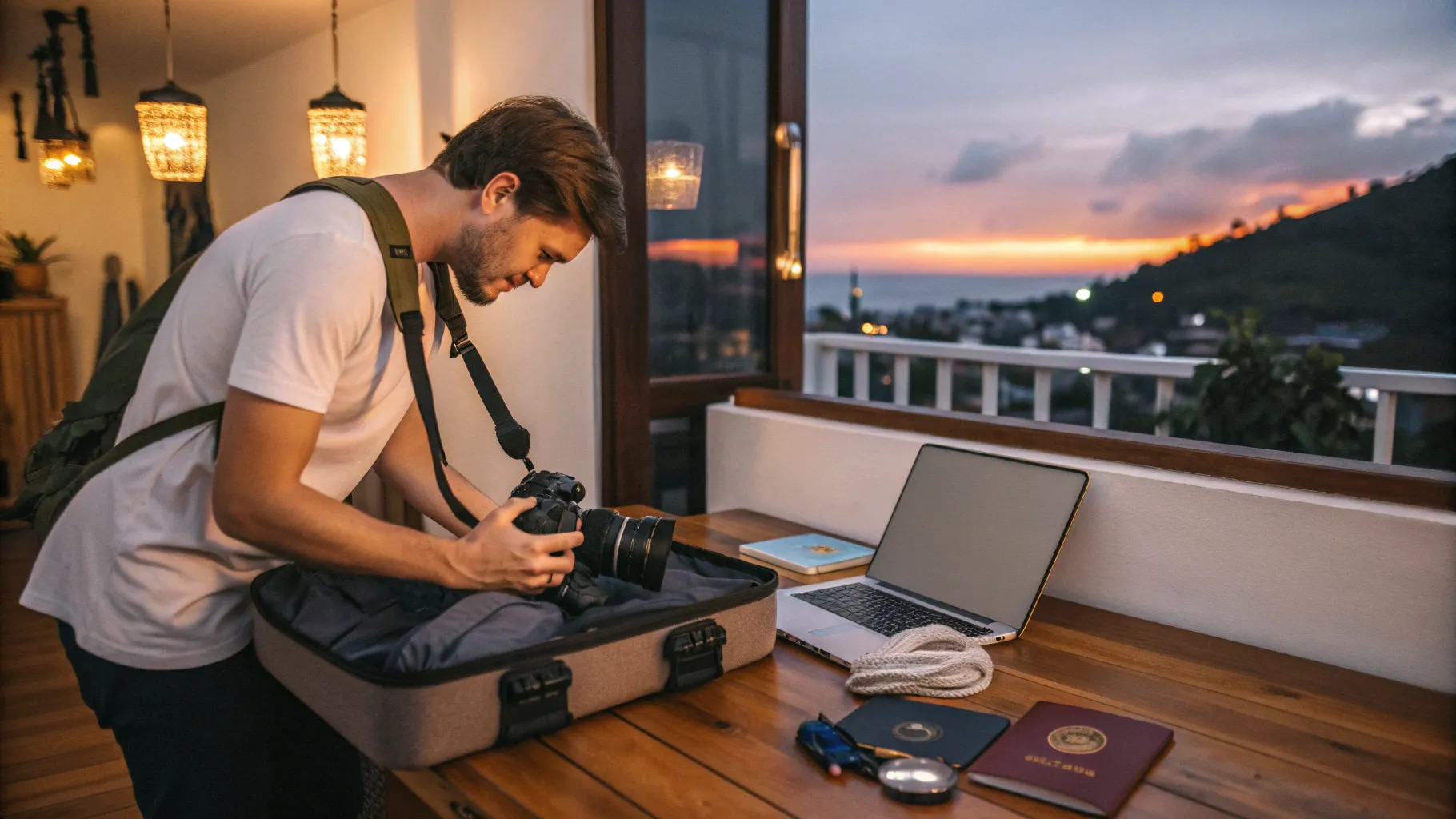
In this interview, SEO HOBBY EXPERT shares his story as a content creator who has spent the last year and a half living and working in Chiang Mai. He talks about why he is moving back to Australia, what he learned while working online and traveling, and how he is planning the next steps in his career. If you are someone who works online, travels, or plans to stay in Southeast Asia for a long time, this talk gives you useful tips. It also speaks about the feelings you get when leaving, and real warnings about safety risks, like scam thailand.
Tell us briefly why you’re leaving Thailand now — what changed?
Living in Chiang Mai for the past year and a half changed me a lot. I got here with no plan. I only had my camera, some curiosity, and I wanted to make better videos. During that time, I saw the whole range of things. There were great mornings at a university lake. I found good friendships. My creative life grew slowly and steadily. But after some time, I felt like I needed to start fresh. After 16 months living alone and always working and creating, I missed my family, my dog, and having home feel steady. Now, I am going back to Australia. I want to feel rested, see my loved ones, and get ready for what comes next.
Is this permanent? Will you return to Thailand?
It’s not forever. The short answer is yes — I will come back. Thailand and its people feel like a second home to me. For now, I will step away to reset and spend the holidays with my loved ones. But I will keep making things in Australia, and I will keep looking for the right time to go back to Thailand. Think of this as a new season, not the end.
How did living in Thailand shape you as a creator and a person?
Chiang Mai helped me get into a routine, be more patient, and see how small daily habits can help. I spent my mornings walking by the university lake while listening to a podcast. This time became important for my creative work. The cost of living was low, so I could try new ideas for my content, practice with a camera, and talk with other creators without too much pressure.
I found the people friendly, and the gentle pace of Thai life changed the way I tell stories. Now, I pay more attention to small details, quiet moments, and real, human connection.
You mentioned burnout and “reset.” How do you recognize and manage creative burnout as a digital nomad?
Burnout often comes as losing excitement for things that once made you feel good. I noticed it with missed posts, unfinished ideas, and always feeling the need to be ready for what's next. To get a handle on it, I gave myself the okay to slow down, to stay away from the internet for some time, and to change how I work. I started giving more time to family, made strong lines between work and my free time, and picked a break in Australia so I could fully move away from daily stress about making content.
You’re launching a new channel and a community. Why split channels and build a community now?
Two changes help fix two problems. First is the way I split the content. I want this channel to stay focused on travel and feel real. This is where I show Thailand, travel days, and the things I like to explore. I made a new channel that has education and shows behind-the-scenes stuff about making content. This helps viewers know what they will get. It also helps me make things without making the audience feel lost.
The second change is about the community aspect. I'm starting a content lab where every creator can share their work, get opinions, show thumbnails, talk about hooks, and offer new thoughts. This helps people learn quicker and it builds a group that gives support and useful tips. I want to return the knowledge I gathered while also providing a space for creators to grow with each other.
In this digital age, understanding the customer journey has become crucial for creators. It's not just about producing content but also about understanding how your audience interacts with it. This knowledge can significantly enhance the effectiveness of our content lab.
Additionally, while YouTube Shorts may seem like a quick way to gain views, many creators find them challenging to navigate. As expressed in this Reddit post, there are valid concerns about their impact on content quality and viewer engagement. These insights will be valuable as we continue to adapt and refine our strategies in this ever-evolving landscape.
How should other digital nomads think about splitting personal and educational content?
Think of it like breaking your viewers into groups. The people who love travel content want to feel like they are in the places you show. The people who follow creators want help with how things are done. Use different channels if you have to give two very different things to your viewers. If you keep all your videos in one place, some people may feel left out since they came for just one thing. Having one channel just for teaching also lets you really get into the details, and you do not have to stress about how many people watch every video.
AI tools and platforms are significantly transforming remote work opportunities for digital nomads by streamlining tasks and enhancing productivity. The rise of digital nomad jobs is evident as more companies embrace flexible work arrangements, allowing individuals to pursue location-independent careers in fields such as marketing, programming, and design. Freelance jobs for digital nomads are flourishing on platforms like Upwork and Fiverr, where skills can be offered globally without the constraints of a physical office. Additionally, services that cater specifically to the needs of remote workers, such as SafetyWing for travel and health insurance or Surfshark VPN for secure internet access, are becoming essential. eSIMs like Holafly also simplify connectivity while traveling, ensuring that digital nomads stay connected regardless of their location. Job platforms such as We Work Remotely and Flex Jobs further support this shift by curating listings that specifically target individuals seeking location-independent work.
What practical steps should a digital nomad take before leaving a long-term destination?
Getting ready in a smart way is important. Here is a checklist that I think you should use:
- Sort visas and immigration paperwork well ahead of time.
- Close or forward local utilities and memberships.
- Back up and store your content in several places. Don’t keep it all on one drive.
- Plan how to move pets or family you will see again.
- Set up extra money for travel and any unexpected costs.
- Let your community and work partners know about dates and plans.
Thailand is a popular destination for nomads. Any safety or legal warnings you’d share?
Absolutely — and this is a big part of being a good traveler. Thailand is open to people, but anyone who stays a long time should watch out for scams. I know and have seen things called scam thailand and scam bangkok that often go after people who are new. Some things to watch out for are work offers that sound too good, visa agents who push too much, and bad rental deals.
You need to watch out for fake police papers. There have been times where people make false police reports or create papers that look real just to cheat tourists. They want to get money or scare them. Always check any official message by going to the government or your embassy. If someone comes to you and says they are a police officer, ask to see their ID. It is good to ask your embassy or other expat groups for help before you give them money or give out your private information.
How do you vet services like rental agents, visa agents, and fixers in Thailand as a digital nomad?
Vetting is really about doing your own research and checking some references. You can use expat forums, Facebook groups, or groups in your area to find people who will give you honest referrals. Try to visit the office to see things for yourself and make sure the prices and contracts are clear. Trust how you feel—if someone wants fast payment right now, or won't give you a paper contract, you should leave. Keep digital copies of every receipt and message you get, just in case you need them.
How did you balance exploring with the day-to-day demands of content creation?
Routine is the secret. Even when I live in new places, I make some small fixed points for my day. I take morning walks. I set time for editing and time to talk with people. The morning at the university lake is my regular way to warm up my mind — I listen to a podcast. I write down ideas. I also plan my pictures to take. This plan lets me feel free to try new things during the golden hours. I can still get my work done.
Additionally, popular AI tools like ChatGPT, Claude, and Gemini play a crucial role in helping digital nomads balance exploration with work. These tools assist in generating content ideas, drafting articles, and managing social media posts efficiently, allowing creators to focus on their surroundings while maintaining productivity.
What did you learn about community building while based in Chiang Mai?
Community is something people build on purpose. Chiang Mai is home to many creators. When I started going to co-working spaces, different meetups, and coffee chats, real friendships began to form. With recent advancements in AI like ChatGPT 5 and Claude 4.5 Sonnet, the dynamics of community building have evolved. These tools facilitate deeper connections by enhancing communication and collaboration among creators. A true community does not care how many followers you have. The important thing is to give honest feedback, work together, and be willing to help. This is what the content lab aims to do: keep things simple and be a place where people can share ideas, swap feedback, and help each other grow.
Any advice for creators who struggle with inconsistent content schedules while traveling?
Put systems first instead of just relying on the drive to keep going. When you travel, your routine can get knocked out of place, but having systems helps you stay on track. Build templates for your text, thumbnails, and how you edit. Try to do things in batches. A good plan is to record several short videos at once, finish your edits together, then schedule when they will be posted. Be open with the people who watch your stuff — telling the truth helps build trust and means you feel less stress if you need time off.
How do you plan to measure success for your new community and channels?
Success can be seen in both numbers and stories. For the numbers, I will look at how people interact with the videos, how many finish them, and what goes on in the group (like posts, sharing ideas, and working together). For the stories, real-life examples matter the most. Some people may get new clients from this, some creators will make better thumbnails and see twice as many views, and others might finish the project they started because of help from the lab. The impact this work has on people is more important than just tracking simple numbers.
What are the emotional challenges of leaving a place that feels like home?
The hardest part is the little things you do each day. This can be spots you go in the morning, your favorite place to get street food, and the way people say hello. Moving away from these habits can feel like ending a close friendship. It's normal to feel sad about this. The best thing is to come up with new ways to remember the place. You could make a playlist, write about your favorite streets, or call friends from there often. Thinking about when you will visit again can help, too.
For someone planning a long-term stay in Thailand, what are your top three pieces of practical advice?
- Get your visa and money-related papers sorted early. Small mistakes can turn into big problems.
- Start meeting people from day one. Find a good coworking spot or cafe and go there.
- Keep up with what locals say about scams where you go. Trust expat groups for new warnings about scam Thailand, scam Bangkok, and fake police documents.
How are you handling the logistics of travel back to Australia during holiday seasons?
I booked flights and places to stay early. I made sure to plan for my pet to join me soon. I set up my content ahead of time, so the channel keeps going even if I am not editing every day. There are busy times during holidays. So, it is good to stay flexible and have extra money for just in case. I also gave myself the choice to return when I want, without fixing a long one-way trip. This helps me feel free to come back whenever it feels right.
What gear and workflow tips would you give creators who want to make travel content while minimizing baggage?
Travel light and pick gear that can do more than one job. My must-haves are a small mirrorless camera, a 24–70mm lens that can handle many setups, a stabilizer or small gimbal, and a good mic. Have one fast SSD drive, and use cloud backups when you can. Make editing easy, keep your kit small, and choose items that help tell your story instead of looking at numbers only.
What’s one story or memory from Chiang Mai you’ll always carry?
The still sunrises at the university lake with a podcast in my ears. This is a way to start a good morning, and it helps me have a creative day. Those hours showed me that showing up every day is better than waiting to feel inspired. It does not matter if I feel creative or not. Most times, just being there and doing the work helps me make better things than waiting for the perfect time.
Final thoughts for digital nomads thinking about long-term stays or moves?
Embrace the experiment. Living in another country will teach you so much about the process, yourself, and your work. You will learn more than you would on a short trip. But do it in a careful way. Know the local laws. Stay alert to scams, like rental tricks or fake police papers. Try to build a group of friends early on. If you make content, you should think about keeping your content types separate so your viewers know what is coming. And keep in mind — leaving is not the same as losing. You are keeping what mattered to you and can always come back when it's the right time.
FAQ
SEO HOBBY EXPERT lived in Thailand for a long time. Now, he is moving back to Australia. The reason for this move is that things have changed for him. It is the right time for him to go back and start a new part of his life in Australia.
SEO HOBBY EXPERT lived in Thailand for 1.5 years, but not the whole time. He is going back to Australia now. He wants a fresh start, to be with his family and his dog, and look at what creative work comes next. He also needs a break from so much travel and making new things without stopping.
Will SEO HOBBY EXPERT return to Thailand after this move?
Yes. SEO HOBBY EXPERT sees this as something that will not last forever. He does not see it as a forever goodbye. He wants to make videos in Australia. He will go back to Thailand when he feels the time is right.
What are some real scams that digital nomads in Thailand need to watch out for?
Common problems are rental scams, fake job offers, and fake officers. You should look out for scam thailand and scam bangkok reports. Get help from expat groups to know about honest places. Always keep a paper contract and receipts, and do not give money without them.
How do you keep yourself safe from fake police documents or false claims from people acting as officials?
If a person says they are police, you should ask to see their official ID. Let your embassy or consulate know what happened. Talk to local expat groups to get advice. Do not send money or sign any papers until you get proof from real offices.
What should creators think about when they share their content on more than one channel?
Creators need to think about what works best for each channel. A video that does well on one platform may not get the same kind of response somewhere else. Make sure to change the style and length of the content to suit the channel you use. It's good to know who is watching on each platform. When you do this, your content can connect with people in a better way. Try to keep your message and voice the same across all channels, but feel free to change the little things so your posts feel right for the place you share them.
Keep content streams apart when your audience wants are not the same, like travel and education. A split helps your viewers know what to expect. It also lets each channel grow in its own way, without making subscribers feel lost.
How can digital nomads avoid creative burnout while traveling?
Digital nomads travel a lot, so it can be hard to feel fresh with new ideas all the time. The best way to avoid running out of ideas is to take breaks when you feel tired. Go for a walk, read, or talk to someone. Try to set a time for work and a time to relax. A good routine helps your mind feel safe. Use new places and people you meet to spark more ideas. If you feel low on energy, it's okay to slow down and let yourself rest. Talk to other people who work and travel like you. You can learn from them. Remember to eat well, get enough sleep, and drink water. A healthy body helps you feel good and keep thinking of new things.
Create simple plans. Group your tasks together. Set clear limits, and plan for breaks you mean to take. Routines like set ways for editing and steady morning habits help keep things steady, even if you feel less inspired.
What should you do before you leave a country you have lived in for a long time?
Sort visas, back up your content, close subscriptions, let landlords know, set aside some money, and tell people you work with. Getting ready for these things helps you stay calm when the time comes. It keeps your work and the way you talk to others safe.
Nomads can get good local tips in Thailand in a few ways. One way is to talk to people who live there, because they know a lot about the area. You can also join online forums and Facebook groups made for travelers in Thailand. A lot of people share their real experiences there and help you out when you ask. Visiting popular travel websites can give good advice, too. This will help you feel ready for new places and know what to expect before you go.
You can get help from expat forums, local Facebook groups, coworking spaces, and other creators. People can give the latest tips on what is the best way or place to go. The advice you get from someone who is really there can help you stay away from scam Thailand and scam Bangkok trouble.
Parting note
Leaving a place you love is not easy. If you are a digital nomad, each time you move you can make your process better, learn new things, and make your work even better. No matter if your story is about Chiang Mai or some other place, it helps to go into your nomadic life with an open and careful mind. It is good to feel like you want to belong to a group of people as well. If you are thinking about moving or changing what your content is about, try to use the mix of real world steps and honest thinking the way SEO HOBBY EXPERT shares. This is a good way to guide the choices you make.
SEO is live and fun |
|
how to funk SEO |
| Never Click |
Comments
Post a Comment