- Get link
- X
- Other Apps
Interview with SEO Hobby Expert about Topview AI Drama Studio, an End-to-End AI Filmmaking Workflow for Narrative Video
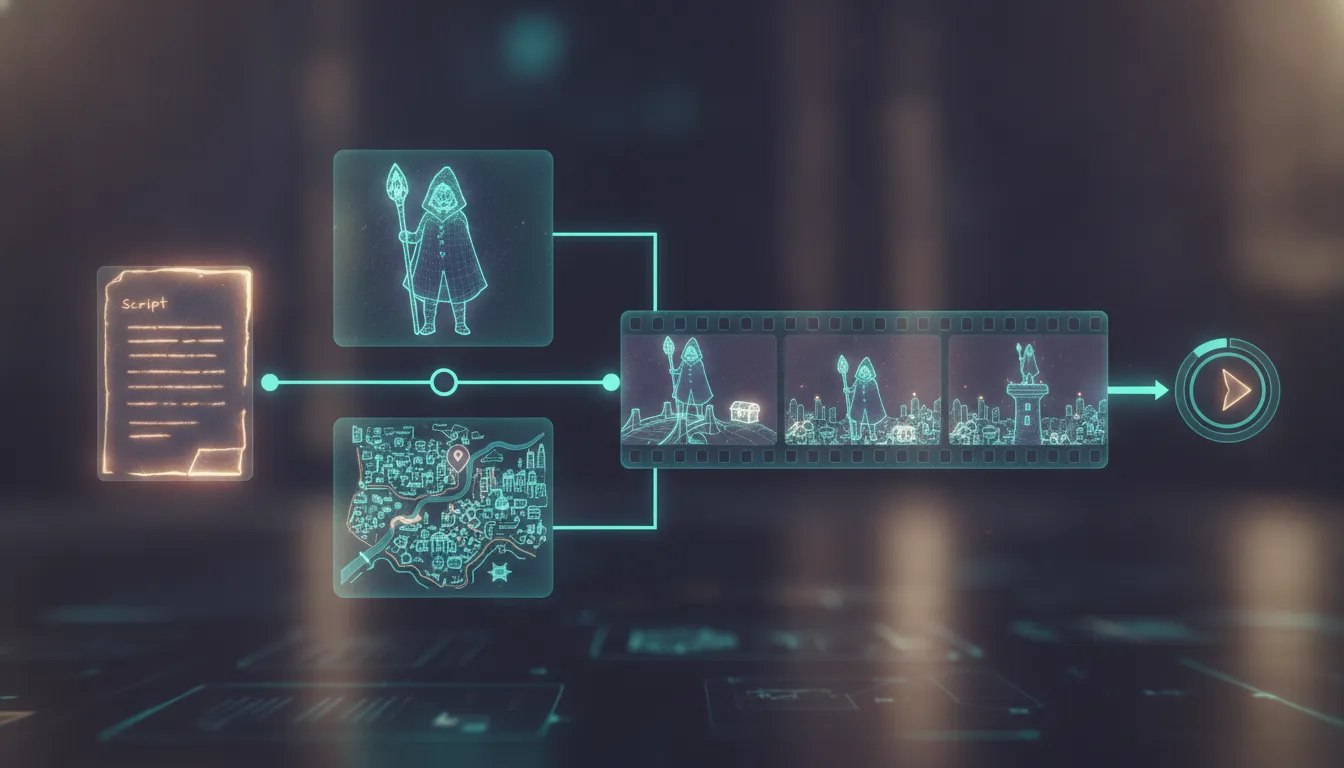
Topview AI Drama Studio is becoming a useful tool for people who want to plan, organize, and make short storytelling videos. It helps keep the story going better than if you make a video by just using one AI prompt. When you use the tool with Seedance 2.0, you get a full process that starts with a simple text plan, then goes to setting up people in the story, picking out places, keeping track of props, making each scene, and letting you export your work.
This guide shows how to use Topview AI Drama Studio in a full AI filmmaking setup. It tells you what each tool does, how these tools work with each other, where the process is strong, and how to stop common problems. These problems can be pacing issues, confusion with the place where things happen, changes in the way people act, and breaks in scenes.
If you want to make videos with more than one shot, short scenes, or stories with a clear structure instead of single AI clips, Topview AI Drama Studio is a good choice to learn about.
Table of Contents
Introduction to the workflow
What is Topview AI Drama Studio, and what problem does it solve?
Topview AI Drama Studio is a tool used to plan and get ready before making something with AI in film. It does more than make one video when you give it text. It helps turn your script idea into a clear plan for the whole production.
That package can include:
List of scenes or parts
Notes about who the people are
Ideas about where things happen
List of items seen that help keep things the same
Steps of what happens and where
List of ready scene ideas to help make more
The key thing it helps with is organization and staying on track. A lot of people who make AI videos have a hard time because they do all the work by hand. They keep notes, prompts, images, and videos all over the place. Topview AI Drama Studio brings all that work into one place. It gets your scenes ready for Seedance 2.0 in a better and more managed way.
How is Topview AI Drama Studio different from Seedance 2.0?
This is the most important difference in the pipeline.
Topview AI Drama Studio works as the planning tool. It helps you build your story, set up the characters, use the right places, find the props, and keep scenes in order.
Seedance 2.0 works like a creation tool. It makes the real video clips using the ideas and guides that you give for each scene.
A simple way to think about it:
Drama Studio = director and pre-production desk
Seedance 2.0 = cinematographer and rendering engine
Using only Seedance 2.0, you can make some strong clips. But it can be hard to keep the story smooth between several scenes. If you use Topview AI Drama Studio by itself, you get a plan. You do not get the full video. When you use both together, you get the complete process.
Who should use Topview AI Drama Studio?
Topview AI Drama Studio is most useful for:
AI filmmakers making short stories
Creators making shows that come out in parts
Marketers making story-style ads
Music video teams who need scenes to match up right
Pre-visualization teams testing story parts before they start to film
Solo creators who want to keep their work more organized
It is not just about random trial and error. It is about making the same kind of story again and again.
The complete pipeline
What does the full Topview AI Drama Studio to Seedance 2.0 pipeline look like?
The workflow is simple when you see it in three steps:
Plan in Topview AI Drama Studio
Start with an idea or rough plan. Build the outline of the story. Pick the style you want. Make your main people, places, and things, then put together a beat sheet and set up your scenes.Make in Seedance 2.0
Use the scene info, notes, and prompts to make clips. Check each one for movement, how the shot looks, feel, and pace.Edit in post-production
Export slices of your scenes and put all of them together in an editor such as DaVinci Resolve, Premiere Pro, or CapCut. Fix the timing, add changes between shots, make the action feel smooth, and make it look and sound better with sound and color.
This is why Topview AI Drama Studio matters. It gives a clear plan before things begin, which makes the process smoother.
Why is this pipeline better than prompting scene by scene from scratch?
Prompting each shot by hand can be okay for single images. But it makes some problems:
The way the character looks changes from one clip to the next
Places switch suddenly
Objects are not the same every time
Talking may feel choppy or too fast
The way voices sound can jump from old to new
You get lost and cannot follow the story
Topview AI Drama Studio helps keep scenes in order. It also keeps everything that you need with your project, so you do not have to start over each time.
Getting started with Topview AI Drama Studio
How do you begin a first project in Topview AI Drama Studio?
A good first project starts with a short piece of writing. It does not need to be a long film story. The best way is to make a small main episode or scene.
A good starter template looks like this:
1 main character or two characters talking
1 main place
3 to 8 short scenes
A target time, like 60 to 90 seconds
Simple talk with short back-and-forth lines
Inside Topview AI Drama Studio, the first setup most times has:
Pasting in the text or idea
Picking project mode, like a series or episode set-up
Picking how the text will be changed
Setting width and height
Picking the look or putting in a custom one
Setting how long it will last
Picking settings for what can be shown
The result is a clear plan for the project. You can work on it and make changes before you start any work that could cost a lot.
What style settings matter most at the start?
Three decisions have an outsized impact:
Art style
If the styles built in do not fit what you want, custom descriptions help. A gritty retro feel, a touch that is not digital, or the feel of another time can guide the look early on.Aspect ratio
Pick this based on how and where you will use the final work. A tall micro-short and a wide story should not go through the same planning.Duration
A shorter target time means tighter changes. This helps because AI-made talking scenes can get crowded without enough time in a clip.
It is better to make these choices in Topview AI Drama Studio before you start making the scenes. This way, you do not have to fix a lot of things after the clips are made.
Script adaptation and scene planning
How does Topview AI Drama Studio handle a rough script?
One of the good things about Topview AI Drama Studio is that it can take a rough plan and make it into an outline and beat sheet. It makes sure to keep the main story and what people want to say. This is great when what you have is short, not formal, or when you just have some lines of what people say.
The platform is able to turn a rough draft into:
A summary of the episode
A target duration match
A clear outline
A beat sheet with scene-by-scene order
This is important because most pacing issues start in the script part, not when things are shown on screen.
What is the best way to prepare dialogue for scene generation?
The safest method is to shorten aggressively.
In practice, one big problem with AI writing is putting too many lines into a short scene. A 15-second part can feel rushed if there are many long lines, reactions, and movement steps.
Use this trimming framework before generation:
Keep the main point in each line.
Take out anything that means the same thing more than once.
Cut out words that do not help move the scene forward.
Keep the feel of the text by using one phrase that stands out instead of many unremarkable ones.
Read what people say out loud at a normal pace before you send it on.
If you feel that you cannot say a line easily and fast, try to make it shorter or break it into two parts. Topview AI Drama Studio helps you set up a good base, but the timing needs you to check it yourself.
Characters, locations, and props
How does Topview AI Drama Studio help with character creation?
Topview AI Drama Studio can get character details from the text, and give info about main and extra characters. These sheets can have pictures of the characters from many sides. This helps keep things the same in all scenes.
Useful character setup principles include:
Make sure each character looks different.
Show clothes in a clear way.
Add traits that help show what they do and maybe how they talk.
Keep the names the same in all parts of the project.
That last point is more important than you may think. If there is a character who shows up with a short name in one spot, and the full name in another, the reference can break. This can cause the wrong person to show up in the scene.
Why does character naming consistency matter so much?
Because the system seems to use project-linked references. If the text calls a person one name, but the character page uses a different name, then the scene may not link the right person.
Best practice:
Pick one main name for each character.
Use this name everywhere.
Do not switch from nicknames to full names unless you are sure they match.
This is one of the easiest problems to fix in Topview AI Drama Studio.
Can Topview AI Drama Studio generate useful locations and props automatically?
Yes, and this is one of the best things about its workflow.
Taking the scene into account, Topview AI Drama Studio can make:
Outdoor environments
Indoor spaces
Small items that help set the scene
Signs and set details linked to the story
This helps the scenes feel real and linked together. The props are not just for looks. They stop things from moving around in clips. This is very helpful indoors, where you might see things like chairs, computers, fans, bags, or wall signs in the same spot each time.
For reading more about AI workflows, you can use a general content index like this resource hub. It helps you if you want to read about other topics in digital making and creativity.
What is the hidden value of props in this workflow?
Props are continuity anchors.
In AI filmmaking, people may look at just faces and places. But if you use the same props again and again, it can help keep the scene steady in small ways. These items let the model know what should be in the scene. They also help it remember what things need to stay the same from one shot to the next.
Examples of prop continuity anchors:
Store signs
Desks and chairs
Electronics
Food or drink items
Wall elements or tournament boards
Moving into Seedance 2.0 generation
What happens when you enter video production from Topview AI Drama Studio?
When pre-production work is done, Topview AI Drama Studio can fill in scene generation with linked references. This helps cut down on the work of adding images one by one in a different scene-making screen.
Typically, the scene setup includes:
The characters that are mentioned
The places that are set
The props that match
Scripted or changed lines
The controls you get for each scene
This makes it much easier to go from planning to drawing than when you start with a blank prompt.
What should you edit before generating a scene in Seedance 2.0?
Do not do it right away. First, take some time to look at the scene.
Use this pre-generation checklist:
Is the talk short enough for how long the clip is?
Are the right characters matched?
Is the place the right one?
Are there extra props with the wrong person?
Are there things you do not want, like words on the screen or music?
Is the camera left loose or being moved on purpose?
Even when Topview AI Drama Studio gives you a good setup for the scene, making some small changes now can help you save a lot of credits in the end.
How do negative prompts fit into the workflow?
Negative prompting helps you make sure some things don't show up in your outputs. When you are making something, you may want to tell the model to leave out some parts, for example:
Subtitles
On-screen timestamps
Made music
Cars crashing or wild traffic action
These small controls can help get better footage. They are good to use when a scene has busy backgrounds or when there are people talking. Extra things made in those scenes can take attention away. So, these controls make the video look good and not too busy.
If you want to get right to the platform, the official Topview AI page is the best place to start.
Continuity and scene extension
How does the continue-from-previous-scene feature help?
One useful tool in this workflow is that you can keep working from the last scene. This lets the look and sound move smoothly to the next clip. Because of this, the next part feels like it is a piece of the same time.
Used well, this feature helps with:
Natural way of speaking
Matching where things are in the scene
Smoother moves between the clips that are next to each other
Less need to start over how things look
However, there is a give and take. If you use too many continuations in a row, the quality can get worse. So, it is good to use it sometimes but not for every shot all the time.
What is the best way to use scene continuation without breaking quality?
Apply these rules:
Lock the earlier clip first
Only extend when the next scene is really close in action
Do not put too many scenes together in a row
Cut in the editor if the start or end is strong enough to save
Treat longer scenes as extra options, not ones that will for sure be in the final video
With Topview AI Drama Studio, it is now more practical to keep your project on track. The work stays organized, even if you have to make some clips again.
Common problems and how to fix them
What are the most common problems in Topview AI Drama Studio and Seedance 2.0 projects?
The main issues tend to fall into six categories:
The talking part is too long for the clip
Characters say lines that do not fit
The way things happen in the setting gets confusing
Props make people repeat or do things in a strange way
People see things that are not there, like extra things added
Long scenes make it hard to understand where people are
These are not special to Topview AI Drama Studio, but the platform does help you spot some of them. You can see the pre-production work all in one place, which makes things easier.
How do you fix environment continuity issues?
There is a problem that can happen when you get environment references shown as several grids in one image. These multi-angle grids help as idea references. But, they can also make the generation model confused when it needs to make one clear scene with one setup.
A practical fix is:
Pick the one angle from the environment that is the best fit for the scene.
Cut that angle so it becomes its own picture.
Use this new cropped picture as the scene's environment reference.
This makes the steps you see on the screen easier to follow. It also helps you in knowing where things go. This is one of the best ways to fix problems in a Topview AI Drama Studio workflow.
How do you fix prop-related continuity problems?
Sometimes, when a character holds a prop, it can change what they do in the scene. This can bother the viewer in more than one shot. For example, if you see a character with a snack, the AI might keep showing them with it or eating it, even in scenes where it does not fit anymore.
The fix is straightforward:
Take out the prop from scenes where it is not needed.
Keep only the props that are important for the moment.
Make it again with easy instructions.
Having more references does not always give better output. Picking the right ones often works best.
How do you handle visual hallucinations such as random glasses or altered details?
This is where editing judgment matters.
You have two choices:
Start again if the hallucination ruins the flow
Edit around it if the good part of the clip can still be saved
In many cases, you might not get one perfect result right away. The best way can be to mix good pieces together. Topview AI Drama Studio helps you do this. It keeps scenes and other parts easy to find while you keep trying new things.
Voice consistency and character behavior
Can Topview AI Drama Studio help keep character voices more consistent?
There are signs that setting up characters for the project helps the voice stay the same in many scenes. The way things are done points out that when you add who the character is to their setup, it can help keep things more steady than if you just give a prompt for one scene. The small details on how this works are not shared here.
This matters because voice drift is one of the hardest parts to deal with in long AI-generated writing.
To help make things the same inside Topview AI Drama Studio:
Say what a person is like in a clear way.
Use the same name for the character in every part of the project.
Write lines that fit how the character talks and acts.
Do not put the character in scenes that feel very different from each other unless you have to.
What if your project needs better voice polish after generation?
Then post-production is needed. If you need a different voice or want to swap it out, AI voice tools can help. For example, voice generation and voice change tools are good for making a more finished soundtrack for your short.
The most reliable way to make a film with AI is this. First, make the visuals. Then, work on the final film by editing, adding sound, and timing the scenes right.
Post-production and finishing
What should happen after exporting from Topview AI Drama Studio?
After you make the scenes, export the clips as scene slices. Then, bring them into a standard editor. This is the point when your project turns into a film, not just a group of test clips.
Your post workflow should include:
Putting the timeline together
Removing weak starts or weak endings
Using reaction shots to cover mistakes in how things match up
Making conversation feel faster
Adding changes between scenes only when needed
Making sure sound and color fit together
If you want a clear final image after you create it, you can use an upscaling step. This helps to make the image better. Tools like video upscaling software are good for making AI-made videos look nice at the end.
What is the smartest editing strategy for AI-generated narrative clips?
Think like an editor, not a prompt operator.
That means:
Keep the best establishing shot, even if you can’t use the first few seconds.
Use shots of people’s faces to connect clips where the lines are not perfect.
Cut out empty spots as much as possible.
Cut between clips that are next to each other when one works better for one thing, and the other for another.
Do not think every scene needs to stay whole in one export.
This is where the Topview AI Drama Studio workflow works best. It helps make raw video with things that keep the story flowing. Then, editing changes that video into a complete show.
Topview AI Drama Studio versus other AI video tools
How does Topview AI Drama Studio fit into the wider AI video landscape?
Many AI video tools work best for making single-prompt videos, cool filters, or quick clips for social media. The special thing about Topview AI Drama Studio is that it helps you build the story flow and scenes, and keeps it all connected.
That gives it an advantage for:
Multi-shot storytelling
Recurring characters
Project-level asset organization
Episodic workflows
Scenes that need props and environments to stay stable
By comparison, general-purpose tools can still help because they are good at things like style or quick tests with images. But, they may not take the place of the main planning layer that Topview AI Drama Studio gives.
When should you use both Topview AI Drama Studio and Seedance 2.0 instead of just one tool?
Use both when your job needs any of the things below:
More than one scene
The same people showing up again and again
Telling the story one scene at a time
A way of using back-and-forth talks between people
You can use the same things and places more than once
If you want to create just one quick shot that looks good, the full Topview AI Drama Studio process might be more than you need. But for short films, pilots, skits, and scenes with drama, using them together is better.
Best practices summary
What are the most important best practices for Topview AI Drama Studio?
Here is the condensed checklist:
Start with a short, clear plan for your video.
Pick your aspect ratio before you start to plan your scenes.
Write custom style descriptions if you feel you need them.
Make sure you use short and simple lines so your clips feel real.
Name all characters the same way every time.
Make your people, places, and items before you film.
Check each scene before you use your credits.
Add negative prompts to avoid things you do not want.
Cut out parts of the setting if many camera angles mix up the look.
Continue a scene only when you must.
Fix mistakes in editing instead of making the whole thing again.
Always treat editing after filming as a must, not something extra.
This idea is at the heart of how a good Topview AI Drama Studio workflow should work.
FAQ
Is Topview AI Drama Studio good for beginners?
Yes. Topview AI Drama Studio is easy to use for most people, even if you are new to this. It puts the steps to make a film into simple stages. You have pre-production first, then you move on to generation. A new person will still need to think about timing and what clips to use. But, this setup makes it easier than having to control every detail by hand.
Can Topview AI Drama Studio create a full short film from a simple script?
It can help you set up the whole flow from a basic text file. This flow covers the outline, scenes, people in the story, places, things you need, and setting up clips to make. When it is done, a quick video can still use a lot of hands-on changes, making again, and fixing after.
Does Topview AI Drama Studio work better for episodic content than one-off clips?
Yes. One of the main strengths of Topview AI Drama Studio is that it can keep things similar across repeating scenes, characters, and items. This helps a lot when you make episodes, skits, and short, story-based videos.
What is the biggest mistake people make with Topview AI Drama Studio?
The biggest mistake is putting too much talking into short scenes. The second biggest mistake is starting video making before you check your sources, names stay the same, and scene timing.
How do you improve continuity in Topview AI Drama Studio projects?
Use steady character names and the same style for every person in your video. Pick props with care. Make sure you use one clear spot for each scene. When you go from one clip to another, choose what to keep going with care. Later on, you can check and make things even more steady when you edit.
Can Topview AI Drama Studio help with cultural or environmental detail?
It can show useful context about places and props in the story, because it uses the script. This can help scenes feel more real. You should still go over those details and pick the best ones before the final result is ready.
Final takeaway
Is Topview AI Drama Studio worth learning for AI filmmaking?
If you want to make video with a story, not just random clips that come from AI, Topview AI Drama Studio is one tool you should try now. The tool is good for more than just making stuff. I feel its best use is in how it helps you set up your project before filming, especially if you use it with Seedance 2.0 to get your finished video.
The best thing about Topview AI Drama Studio is that it brings together planning for the story, keeping the characters the same, picking spots, choosing things for the set, and putting scenes in order. That does not take away the need for editing choices, but it gives creators a better base for making short films, first shows, ads, and AI stories that come in parts.
For people who want to do AI filmmaking in a serious way, this is a big and important step forward.
Comments
Post a Comment